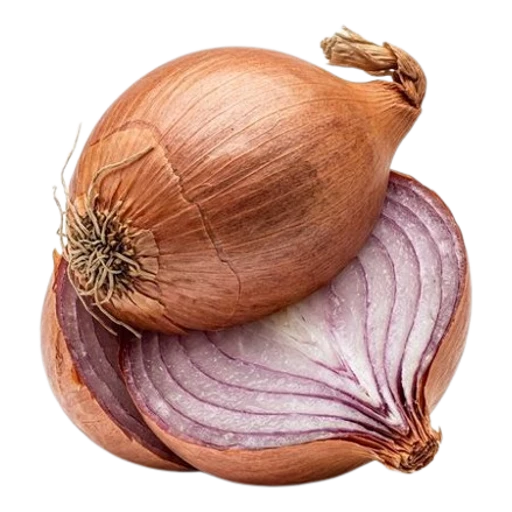
Shallot
Shallots are a delightful aromatic vegetable, offering a more delicate and sweeter flavor than onions, perfect for introducing to babies around 6 months. They can add depth and complexity to dishes without overwhelming your baby's developing palate. Shallots are a flavorful addition to various baby-friendly recipes.
How to serve
Cook shallots until very soft and translucent, then finely mince or puree them into mashes, porridges, or soft-cooked vegetables.
Offer finely minced, thoroughly cooked shallots mixed into soft finger foods like scrambled eggs, ground meat mixtures, or well-cooked grains.
Continue to serve finely minced and cooked shallots in family meals, ensuring they are always soft and cut into tiny pieces.
Nutrition
Shallots provide small amounts of vitamins C and B6, contributing to immune health and metabolism. Their primary benefit for babies is adding rich, savory flavor to foods, which helps encourage acceptance of diverse vegetables and reduces the need for added salt. They are also a source of antioxidants.
Good to know
Ensure shallots are thoroughly cooked until very soft and translucent, then finely mince them before serving to reduce choking risk.
Shallots are not a common allergen. Similar to onions, shallots can be fibrous when raw or undercooked, posing a choking hazard. Always ensure they are cooked until very soft and finely minced before serving to babies.
Tip
Sauté finely minced shallots with a little olive oil until completely soft, then stir into creamy risotto or vegetable purees.