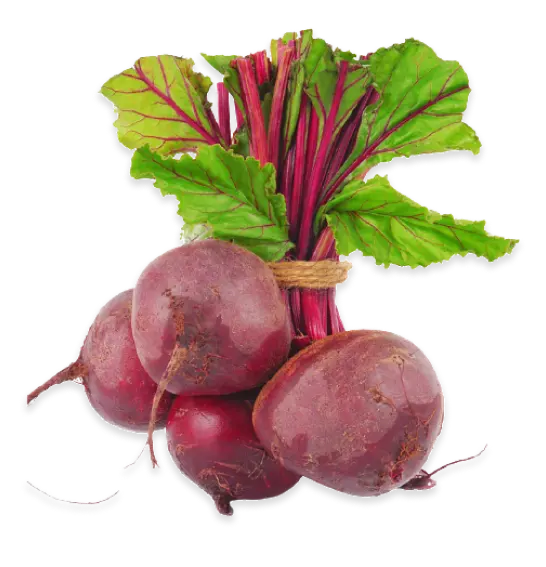
Beet (Beetroot)
When a baby is ready to begin solids, which is often around 6 months old, beetroot, when cooked till soft, may be offered.
How to serve
Beets should be soft enough to easily squeeze between your fingers after cooking, regardless of method.
After cooking the entire beet until it is entirely mushy and can be easily punctured with a knife, peel it off and toss the skin. The beet can be served whole, split in half, or even in huge quarters if it is quite large. Bear in mind that red beets can also turn a baby's stool and pee a vivid red color.
Offer cooked, skin-free beets in bite-sized chunks.
Cooked, tender beets are fantastic. Serve cooked beets in bite-sized pieces and, as necessary, load a baby's fork or training chopsticks.
Nutrition
It has antioxidants and is an excellent source of minerals like potassium, copper, and iron as well as B vitamins. Uncooked beets can soften stool, however cooked beets can bind it. Additionally, beets include phenols, carotenoids, and numerous other plant components that promote cellular health and function as antioxidants.
Good to know
Cook until very soft. Mash, puree, or cut into small pieces. Raw beets are too hard.
Because they are hard and slippery, beets can be a choking hazard and so enhance the risk. Beets should be cooked until completely mushy and chopped into portions suitable for children of different ages, or they can be grated raw. Allergies to beets are uncommon.
Tip
When buying canned beetroots, read the package label carefully and select low-sodium brands without added sugar. Beets in cans may have less sodium if rinsed.