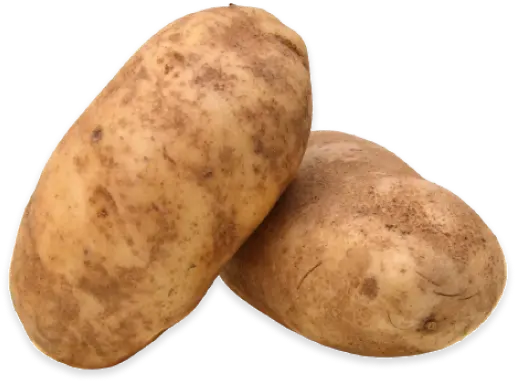
Potato
When a baby is ready to begin solid foods, which is typically around 6 months old, potatoes may be offered.
How to serve
Offer your infant large cooked potato wedges, or even whole potatoes, for them to grab and eat. Ensure that the potato is fully cooked and easily mashes when squeezed between two fingers. If a whole potato is being offered, it should be much larger than the baby's mouth while still being manageable for the infant to handle.
Cut the cooked potato into smaller pieces or rounds once your baby has mastered the pincer grasp. Baked potatoes are also a terrific choice.
Offer small pieces which are bite sized of well cooked potato as finger food or utensil practice, showing them how to spear the food with a fork while pre-loading the fork as needed.
Nutrition
The healthiest type of potatoes are sweet potatoes, which are rich in antioxidants, fiber, calcium, iron, phosphorus, and potassium. as well as vitamins B, C, E, and A. With critical minerals like folate, iron, vitamin B6, and zinc, potatoes are a nutritional foods for growing infants. Potatoes also contain crucial minerals for brain growth, more B vitamins, vitamin C to strengthen the immune system, and other B vitamins. Potato starch aids in the growth of good gut bacteria that sustain a baby's body.
Good to know
Cook until soft. Mash or cut into pieces. Avoid raw potato.
When cooked and prepared in an age-appropriate manner, potatoes do not frequently present a choking concern. Cook the potato until it can be easily squeezed between your thumb and index finger. Though uncommon, potato allergies may occur. Some infants and young children who already have food allergies or eczema may be more susceptible to developing potato sensitivity.
Tip
When cutting or peeling potatoes, put them in a bowl of water immediately to prevent them from darkening (which occurs due to oxygen exposure). Drain them before cooking.