Butternut Squash
When a baby is ready to begin solids, which is often around 6 months old, butternut squash, when cooked till soft, may be offered.
How to serve
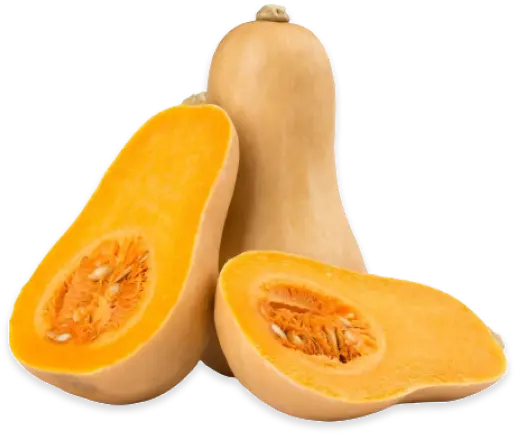
That little drier and sweeter oblong variant compared to others. It may also be used in the majority of cooked pumpkin meals and is wonderful when roasted with a little cinnamon.
Allow your baby to consume well cooked crescent or half moon-shaped chunks, or provide mashed butternut squash that they can eat with their hands or from a spoon that has already been loaded.
Serve well-cooked butternut squash cut into bite-sized chunks.
To encourage utensil practice, serve bite-sized slices of well-cooked butternut squash along with a fork.
Nutrition
Contains minerals such phosphorus, potassium, calcium, sodium, and iron as well as vitamins A, B, and C. Carotenes, which are powerful antioxidants found in yellow, orange, and red fruits and vegetables, are also abundant in pumpkins. Additionally, butternut squash has a lot of carotenoids, which is a fancy way of saying plant chemicals. Some of these compounds are converted to vitamin A by human bodies.
Good to know
Cook until very soft. Naturally becomes smooth and safe when cooked.
Although butternut squash is not frequently a cause of choking, its seeds can be. Butternut squash allergies are uncommon,