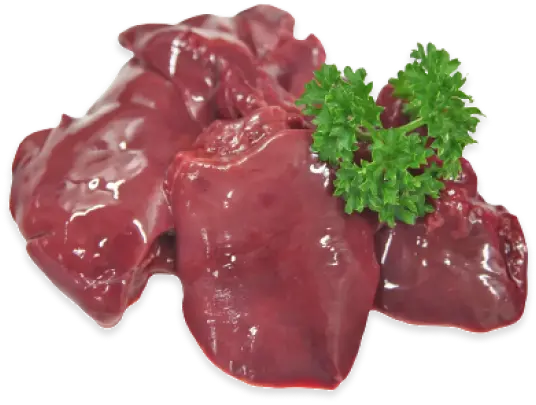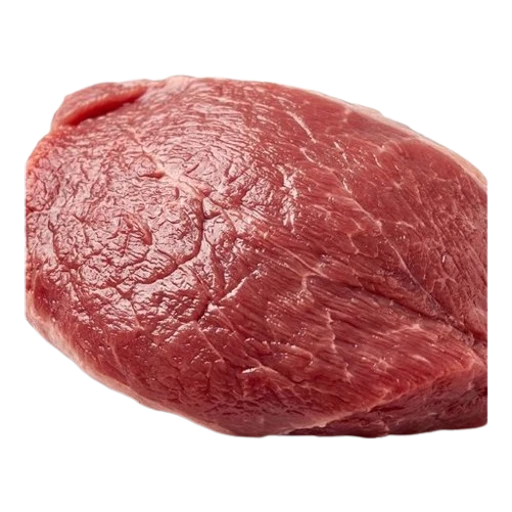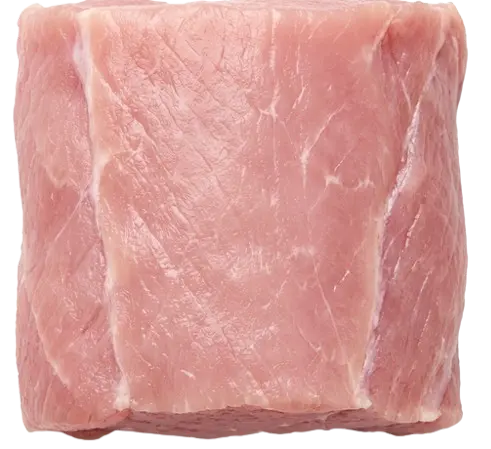
Rabbit
Rabbit is a mild, lean, and highly nutritious protein that serves as an excellent introduction to meat for babies. Its delicate flavor is often well-tolerated by infants just beginning their journey with solid foods.
How to serve
Stewed until very tender and shredded or pureed into a smooth consistency.
Finely minced or served as small, soft, bite-sized pieces for self-feeding.
Small, tender pieces or strips that are easy to chew.
Nutrition
Rabbit meat is a superb source of high-quality protein and essential iron, both of which are critical for rapid brain and physical development. It also provides B-vitamins, particularly B12, which supports healthy nerve function and metabolism in growing babies.
Good to know
This food can be a choking hazard for babies. Prepare it in an age-appropriate size and texture, and always supervise your baby while eating.
Ensure all bones are completely removed before serving, as these present a significant choking risk. Cook until very tender and shred or finely mince to ensure the texture is safe for early eaters.
Contains: meat
Tip
Slow-cook rabbit in a low-sodium vegetable broth to keep the meat moist and flavorful for your little one.