Duck Egg
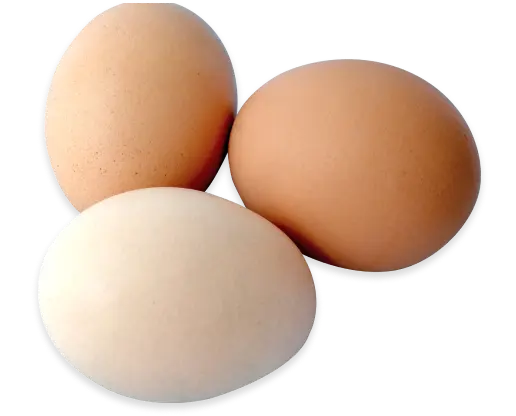
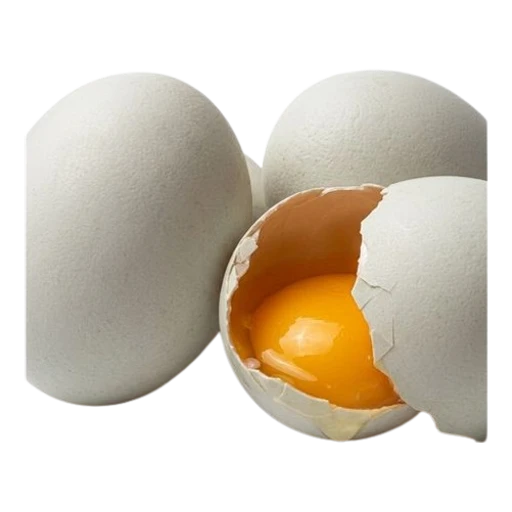
Duck eggs, similar to chicken eggs, can be introduced from 6 months as a nutrient-dense food. They offer a rich source of protein and essential nutrients, making them a versatile choice for baby-led weaning. When cooked thoroughly, their soft texture is easy for babies to manage.
How to serve
Offer well-cooked scrambled, hard-boiled and mashed, or in omelet strips. Ensure no runny yolk or whites.
Continue with scrambled, mashed hard-boiled, or omelet strips. Babies can practice their pincer grasp with smaller, soft pieces.
Serve cooked any way you would for adults, such as diced, fried, or in frittatas, ensuring no runny parts.
Nutrition
Duck eggs are packed with high-quality protein, crucial for baby's rapid growth and development. They provide iron to support healthy blood and prevent anemia, along with choline which is vital for brain and nervous system development. Additionally, they contain Vitamin D for strong bones and a robust immune system.
Good to know
Always cook duck eggs until firm throughout, and mash or finely chop before serving to reduce choking risk.
Egg is a common allergen. Introduce duck egg separately and watch carefully for any signs of an allergic reaction. Always ensure duck eggs are thoroughly cooked until firm throughout to prevent foodborne illness.
Contains: egg
Tip
For a quick and nutritious meal, scramble duck eggs with finely chopped, steamed vegetables like spinach or bell peppers.