Chicken
When a baby is ready to begin solids, which is often around 6 months old, chicken, when cooked till soft, may be offered.
How to serve
In general, poultry provides soft flesh and is a suitable choice for beginning solids. Turkey can be served in many of the same ways as chicken because it is quite comparable to chicken nutritionally and in terms of texture.
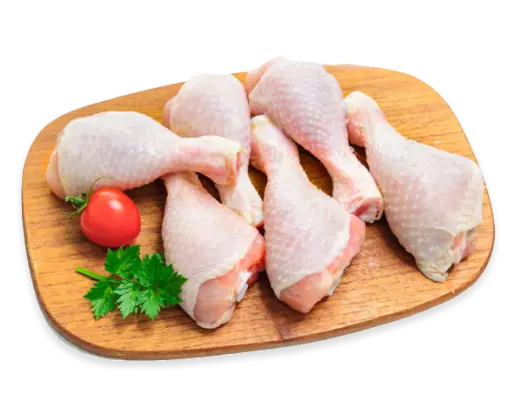
You can also serve chicken breast that has been cut into strips the size of two adult fingers squeezed together, in addition to drumsticks. Serve food in thinner slices that are around the size of an adult pinky finger after a baby can bite and rip it. Offerind homemade meatballs with chicken or nuggets cut into small sizes as bite size may be another option to serve chicken.
Provide ground chicken sprinkled on vegetables, pasta, or any other food, or finely shred or slice chicken into extremely thin strips.
Give the child practice using a fork or spoon by providing bite-sized pieces of chicken as finger food.
Nutrition
Vitamins B6 and B12, iron, zinc, choline, selenium, and vitamin B3 are just a few of the elements found in chicken that babies require to survive. When taken as a whole, these nutrients support antioxidant functions, provide energy for cells, produce healthy blood, support a keen sense of taste and smell, and improve brain health.
Good to know
Cook until tender and shred finely. Dark meat is more tender. Avoid dry or rubbery pieces.
Pay attention to the chicken drumstick because it has a fibula, a needle-thin, sharp bone, buried close to the big bone, which can be harmful to young children. Offering the meat without the bone is therefore the best option. Chicken is a choking hazard for infants, much like any meat and poultry, so don't give them big chunks or cubes. Avoid cutting chicken into cubes. Additionally, take careful not to overcook the chicken since this results in it being dry and harder to chew and swallow. Not many people have food allergies to chicken. Allergies to poultry have, nevertheless, been documented.
Contains: meat
Tip
Food-borne illnesses caused by germs like Salmonella are frequently linked to chicken. By taking the necessary steps, the danger can be reduced: Store chicken apart from produce in the freezer or refrigerator. Before serving, the chicken should be cooked to high degrees. Always wash your hands and any surfaces you touch after handling raw meat. Before cooking, chicken should not be washed. While washing can actually introduce bacteria into your kitchen, cooking will remove unwanted microorganisms.