Blackcurrant
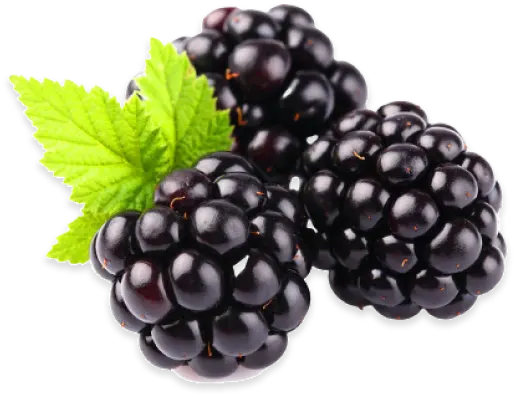
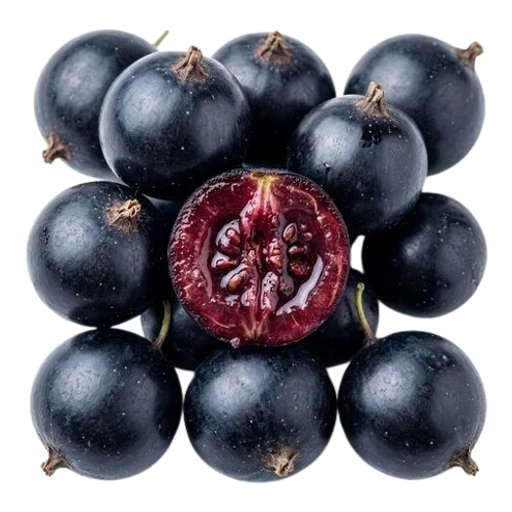
Blackcurrants can be introduced around 6 months, offering a burst of tart flavor and a wealth of nutrients. Their natural sweetness and slightly chewy texture, when cooked and pureed, make them a delightful addition to your baby's diet. They are excellent for promoting gut health.
How to serve
Cooked and thoroughly pureed blackcurrant sauce, mixed into yogurt or oatmeal. You can also offer a thin smear on toast strips.
Cooked and mashed blackcurrants with some skin removed if desired, served with a spoon or mixed into soft foods. Ensure no whole berries are offered.
Cooked and roughly mashed blackcurrants. Whole, raw berries can be halved or quartered for older toddlers with good chewing skills, but supervised.
Nutrition
These berries are exceptionally rich in Vitamin C, vital for immune support and enhancing iron absorption from other foods. They also contain antioxidants that protect cells, and fiber to support healthy digestion and prevent constipation.
Good to know
To reduce choking risk, always cook and thoroughly mash or puree blackcurrants, especially for babies under 12 months.
Blackcurrants, especially raw, can be quite tart and may require cooking and mashing for younger babies. Always ensure they are served in a safe, age-appropriate consistency to prevent choking.
Tip
Combine blackcurrants with sweeter fruits like apple or pear in a compote to balance their tartness, making them more palatable for sensitive palates.