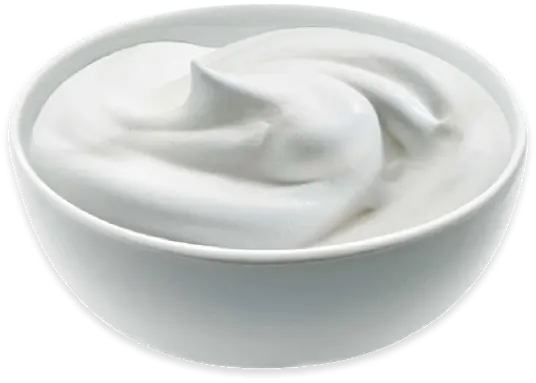
Yogurt
When a baby is ready to begin solid foods, which is typically around 6 months old, yogurt may be offered.
How to serve
Serve it with chopped fruit, making sure to always cut the fruit according to their stage. For a healthy snack, oats, granola, or other whole grains can be added.
Offer plain, pasteurized, full-fat (whole milk) yogurt.
Babies at this age are beginning to develop a little bit more finger dexterity, and they may be able to pick up spoons that have already been loaded on their own. Continue to provide plain, pasteurized, full-fat yogurt made with whole milk.
This is an excellent time to pre-load the spoon and leave it on the plate for the baby to pick up.
Nutrition
Yogurt, like other fermented foods, includes probiotics that may increase "friendly" gut flora and have a number of positive health effects. Additionally, it is a wonderful source of fat, protein, vitamins, and minerals like calcium, phosphorus, and iron. In addition, yogurt is a fantastic source of lipids, carbs, and protein. Just be sure to give your infant yogurt made with whole, full-fat milk. At this age, babies require a lot of fat for the development of their immunological, neurological, and immune systems, as well as their brain, stomach, and cell structure. Especially for infants, whose microbiome (the friendly bacteria that live in the digestive tract) rapidly develops in the first few years of life, probiotic cultures that transform milk into yogurt can be quite beneficial.
Good to know
Smooth texture is safe. Avoid yogurt with large fruit chunks.
Not a risk for choking. Cow's milk, which is a common dietary allergy in young children, is frequently used to make yogurt.
Contains: dairy