Herring
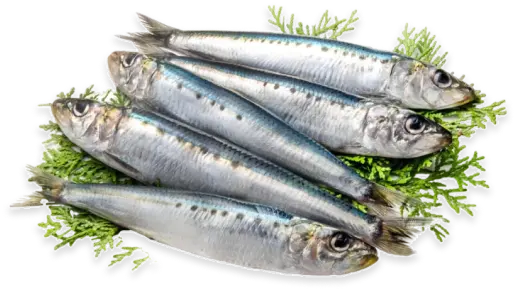
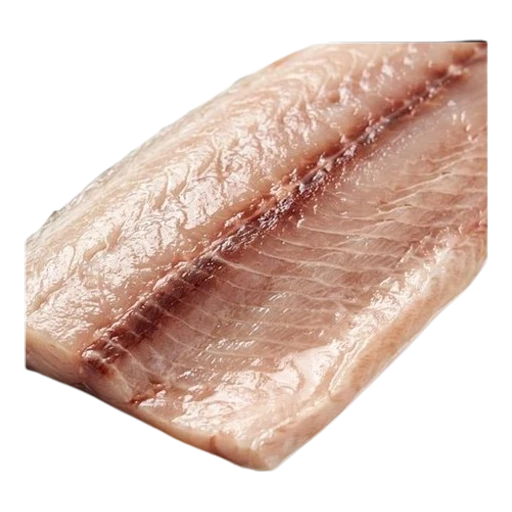
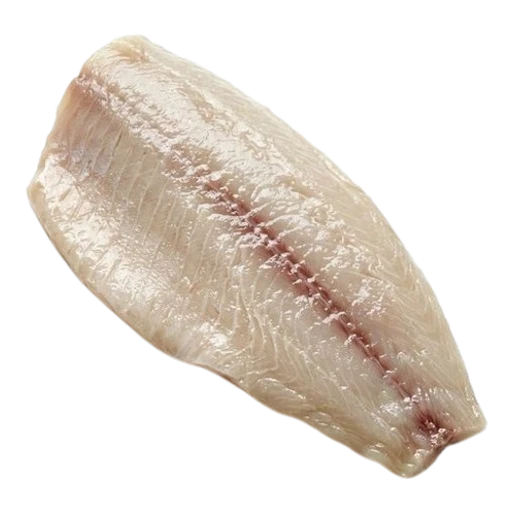
Herring, a nutrient-dense fatty fish, can be introduced from 6 months. It's packed with healthy fats crucial for brain development and offers a distinct savory flavor. Opt for fresh or canned varieties with no added salt.
How to serve
Offer cooked herring (fresh or no-salt-added canned), thoroughly deboned and flaked into very small pieces. Mix into purées or mashed vegetables.
Serve well-cooked, deboned, and flaked herring in small, manageable pieces. Can be offered mixed into soft rice or pasta dishes.
Offer cooked, deboned, and flaked herring as part of a meal, ensuring all bones are meticulously removed.
Nutrition
Herring is rich in Omega-3 fatty acids (DHA and EPA), which are vital for healthy brain and eye development in babies. It's also an excellent source of Vitamin D, essential for bone health, and high-quality protein for growth.
Good to know
To significantly reduce choking risk, always ensure herring is thoroughly cooked, all bones are meticulously removed, and the flesh is flaked into very small, soft pieces.
Fish is a common allergen. Introduce herring separately and watch carefully for signs of an allergic reaction. Always ensure all bones are meticulously removed from herring before serving to a baby.
Contains: fish
Tip
For canned herring, always choose varieties packed in water or olive oil with no added salt, then drain and flake thoroughly.