Goat Cheese
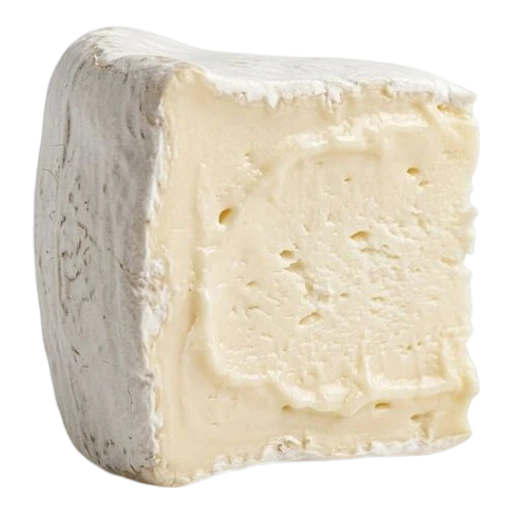
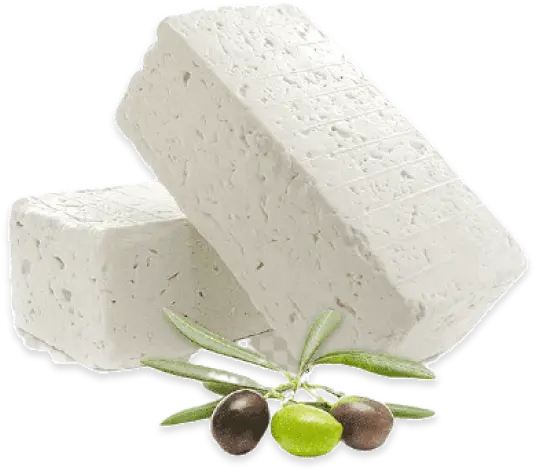
Goat cheese is best saved until 12 months. Fresh, pasteurized goat cheese is the one to choose: ripened (rind-covered) goat's cheese carries a higher listeria risk and official guidance says to avoid it for babies and young children unless it has been cooked through.
How to serve
Not recommended. Offer pasteurized hard cheeses such as a mild cheddar-style cheese instead, shredded or in thin strips.
A little fresh, pasteurized soft goat cheese spread on toast fingers or stirred through warm pasta or vegetables. If you are using a ripened goat's cheese, cook it until piping hot first.
Nutrition
Good source of protein and calcium. Contains vitamins A and K. Easier to digest than some cow's milk cheeses.
Good to know
Soft, spreadable texture is safe. Crumble or spread.
Goat cheese is a dairy product and a common allergen - introduce it on its own and watch for a reaction. Choose pasteurized, keep to 12 months and over, and only offer ripened goat's cheese if it has been thoroughly cooked. It is also fairly salty, and babies need very little salt, so serve it sparingly.
Contains: dairy
Tip
Check the label says pasteurized. Fresh goat cheese is milder than aged varieties and melts smoothly into sauces and eggs.