Bread
When a baby is ready to begin solid foods, which is typically around 6 months old, bread may be offered. Introduce bread with caution as it frequently contains common allergens such dairy, egg, sesame, soy, tree nuts, and wheat.
How to serve
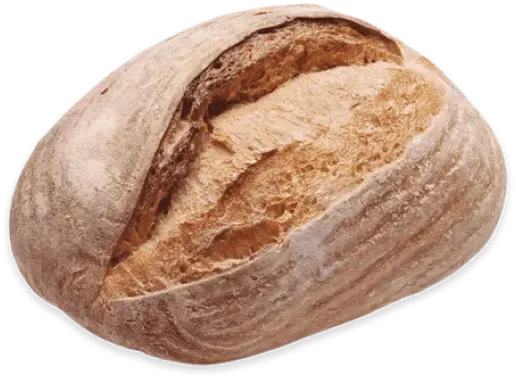
Choose loaves that are handcrafted, sourdough-style, or prepared with minimal ingredients and additives.
Thin slices of soft bread that can clump and stick together in the mouth can be riskier than large ends of thick, crusty bread and strips of toast the size of two adult fingers put together.
Babies may pick up tiny pieces of food at this age because they have developed a pincer grasp, where the thumb and pointer finger meet. As a result, now is an excellent opportunity to switch to smaller bread slices or thin matchstick-style toast strips.
Babies enjoy tearing apart sandwiches to investigate the contents and then devouring the individual parts. You can offer mini sandwiches at this age.
Nutrition
When it is a part of a balanced diet, bread is good for infants. All bread provides a good amount of carbohydrates along with some fiber and protein. Choose bread for your infant that has a limited number of ingredients. Breads with large seeds (like sunflower seeds), honey, or high sodium content should be avoided. Bakery-bought or homemade sourdough is less processed and typically contains less sugars and preservatives than bread baked with baker's yeast.
Good to know
Toast lightly to reduce gumminess. Avoid soft white bread that balls up. Cut into strips for finger food.
For infants, bread can be challenging because it can soften and clump together, creating a mass that can adhere to the tongue and roof of the mouth. Toast the bread before giving it to young babies to reduce the danger. Common allergies like milk, egg, sesame, soy, tree nuts, and wheat are frequently found in bread. When introducing breads, wait until all common allergies on the ingredient list have been introduced safely. Read labels carefully.
Contains: gluten