The Pincer Grasp
What it is, when it develops, and how to encourage it at mealtimes
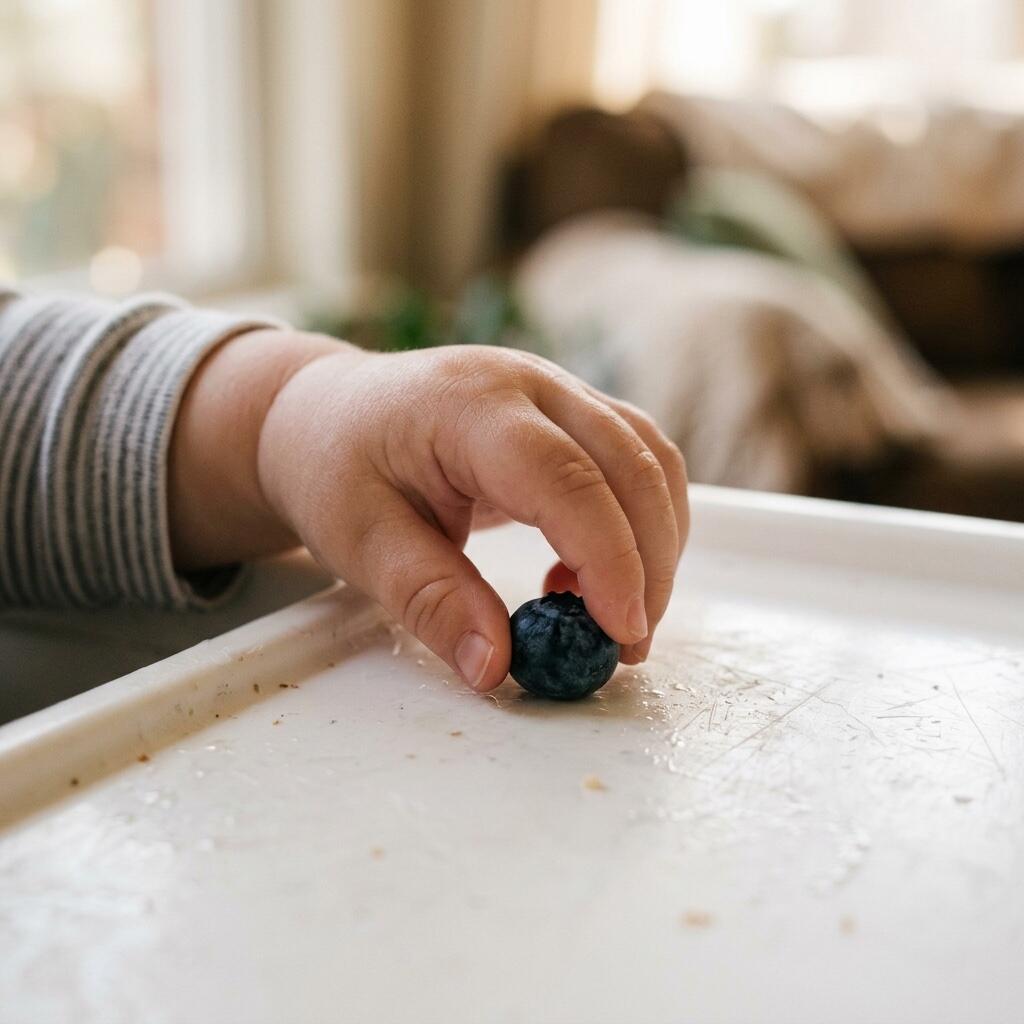
Watch your baby at mealtimes and you'll start to notice something wonderful happening around 8–9 months — they begin using their thumb and forefinger to pick up tiny pieces of food with surprising precision. This is the pincer grasp, and it's one of the most important fine motor milestones of the first year.
What is the pincer grasp?
The pincer grasp is the ability to pick up a small object using the tip of the thumb and the tip of the index finger. Before it develops, babies use a whole-hand raking motion to grab things — which works for larger pieces but makes smaller items almost impossible to pick up. The pincer grasp opens up a whole new world of self-feeding and fine motor exploration.
When does it develop?
Most babies begin developing a basic pincer grasp between 8 and 10 months, though there's a normal range on either side of this. A cruder version — where the thumb meets the side of the finger rather than the tip — often appears around 7–8 months. The refined pincer grasp, using just the fingertips, typically emerges closer to 9–10 months. If you're not seeing any attempts at a pincer-style grip by 12 months, mention it to your health visitor.
Food that helps practice
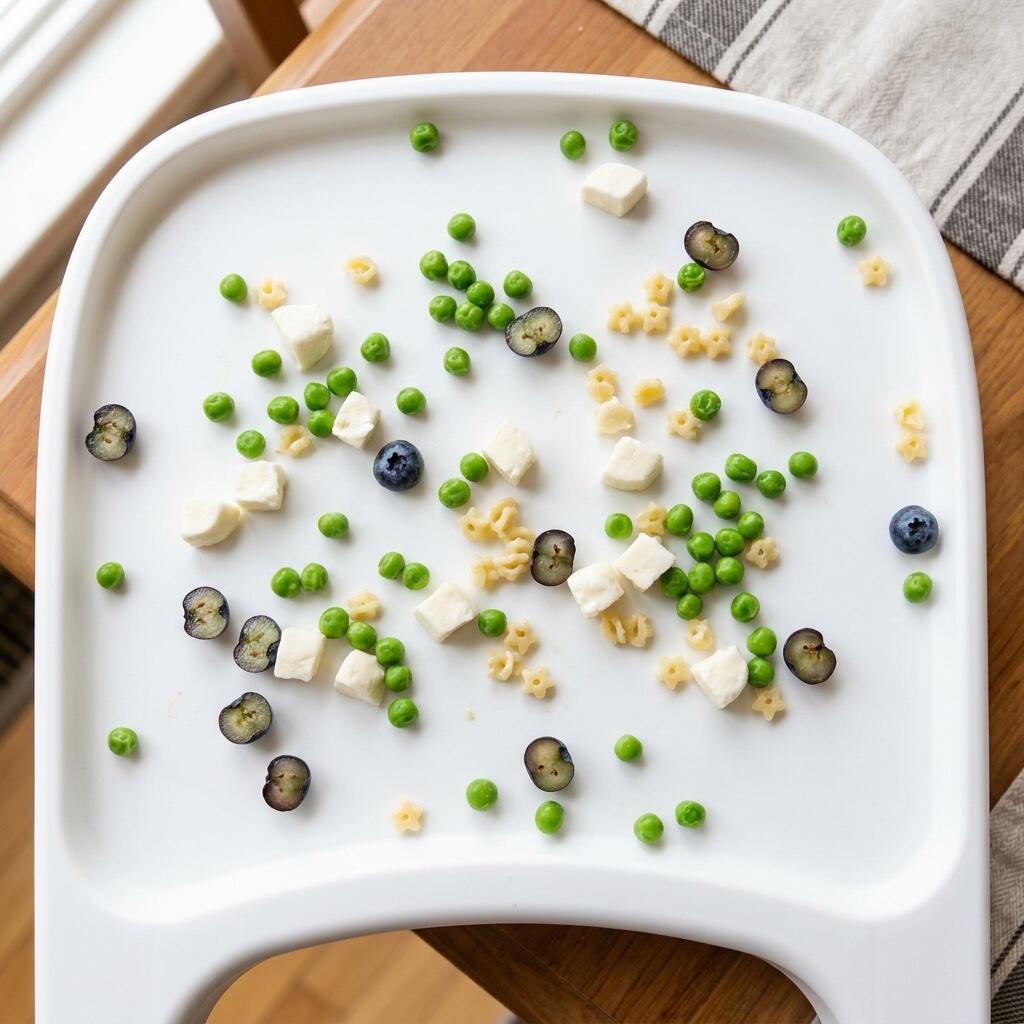
Mealtimes are one of the best settings for practising this skill because there's a built-in motivation — babies really want the food! Small, soft pieces work well: cooked peas, small banana pieces, soft pasta shapes, finely diced steamed courgette, or tiny pieces of ripe avocado. Place just a few pieces on the tray at a time so baby can focus. Don't worry when more ends up on the floor than in the mouth — that's completely normal at this stage.
Beyond the highchair: other activities
Mealtimes aren't the only way to encourage pincer development. Picking up small blocks, pressing buttons on board books, and pulling apart soft Duplo pieces all use the same muscles. Placing a few small pom-poms or cereal pieces in a small container for baby to fish out is a simple and engaging activity. These everyday moments add up, and you're doing more than you realise just by letting your baby handle and explore objects throughout the day.
Belangrijkste punten
Wetenschappelijke bronnen
De adviezen in deze gids zijn gebaseerd op deze bronnen.