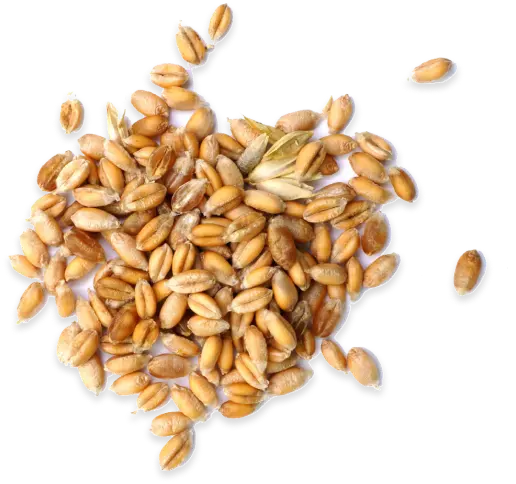
Wheat is a staple grain used in breads, pastas, and countless other foods, providing folate, iron, protein, and fiber. It's a foundational source of energy and nutrients in many diets. Whole wheat varieties offer the most nutritional benefit during pregnancy.
Why it's good in pregnancy
Wheat, particularly whole wheat, provides folate and iron, which support healthy blood development and your baby's neural tube formation. Its protein and fiber content help keep you full and support digestive health. B vitamins in wheat also support energy metabolism during pregnancy.
Key nutrients
FolateSupports healthy neural tube development, especially important in early pregnancy.
IronHelps support the increased blood volume needed during pregnancy.
ProteinProvides building blocks for your baby's growing tissues.
FiberSupports digestive regularity and helps manage constipation.
ZincSupports immune function and cell growth.
Serving ideas
Choose whole wheat bread for sandwiches
Cook whole wheat pasta as a base for vegetable sauces
Add wheat berries to grain salads
Use whole wheat flour in homemade muffins
Enjoy whole grain wheat cereal with fruit
Safety
Store wheat flour and whole wheat products in a cool, dry place, and refrigerate or freeze whole grain flour for longer freshness since it's more prone to spoilage. Check packaging for use-by dates and signs of pests or moisture before use. Cook wheat-based foods like pasta and bread fully according to package instructions. If you have a wheat allergy or gluten sensitivity, choose suitable alternatives and consult your healthcare provider.
Common questions
Is wheat safe to eat during pregnancy?Yes, wheat and whole wheat products are a safe and nutritious part of a pregnancy diet, unless you have a wheat allergy or gluten intolerance.
Is whole wheat better than white wheat products during pregnancy?Whole wheat retains more fiber, B vitamins, and minerals, making it generally the more nutritious choice.
What if I have a wheat allergy?If you have a diagnosed wheat allergy or gluten sensitivity, avoid wheat products and speak with your healthcare provider about suitable alternatives.
Did you know?
Wheat is one of the most widely cultivated grains in the world.
Whole wheat retains the bran and germ, which is where most of its fiber and nutrients are found.
Scan any food. Know instantly.This page is one food — the Avo app has hundreds, plus a camera scanner.