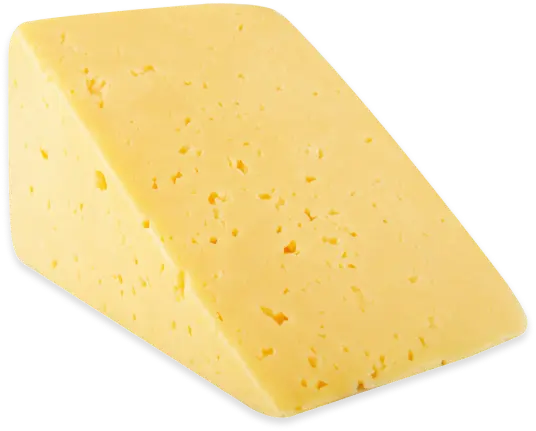
Swiss cheese is a firm, pasteurized cheese known for its mild, nutty flavor and its contribution of calcium, protein, and zinc. It's a convenient, nourishing addition to meals and snacks during pregnancy.
Why it's good in pregnancy
Calcium and protein from Swiss cheese support your baby's developing bones, teeth, and tissues, while zinc contributes to immune function and cell growth. The healthy fats it contains also provide a good source of concentrated energy.
Key nutrients
CalciumSupports your baby's bone and teeth development, along with your own bone health.
ProteinProvides essential building blocks for your baby's growing tissues.
ZincPlays a role in immune function and supports healthy cell division.
Healthy FatsOffer a concentrated source of energy and support the absorption of fat-soluble vitamins.
Vitamin AContributes to your baby's eye and organ development.
Serving ideas
Melted onto a cooked sandwich
Sliced and paired with fruit for a snack
Grated over cooked pasta or vegetables
Added to an omelet with cooked vegetables
Cubed into a grain salad
Melted into a warm cheese sauce
Safety
Choose pasteurized.
Choose Swiss cheese labeled as made from pasteurized milk, which is standard for most commercially sold hard cheeses. Store it wrapped tightly in the refrigerator and use it within the timeframe indicated on the packaging, discarding any pieces that develop mold beyond what's typical for the cheese type. Because it's a firm cheese, it's generally considered lower-risk than soft, mold-ripened varieties. Cut into thin slices or small pieces if choking risk is a concern for you.
Common questions
Is Swiss cheese safe during pregnancy?Yes, as long as it's made from pasteurized milk, which is typical for commercially sold Swiss cheese.
Is Swiss cheese a good calcium source in pregnancy?Yes, it's a concentrated source of calcium that can help meet increased pregnancy needs.
Can I eat Swiss cheese cold, straight from the fridge?Yes, since it's a pasteurized, firm cheese, it doesn't need to be heated before eating.
Did you know?
Swiss cheese's characteristic holes form naturally from gas bubbles created during fermentation.
Hard cheeses like Swiss generally have lower moisture content, which makes them less hospitable to bacteria than soft cheeses.
Scan any food. Know instantly.This page is one food — the Avo app has hundreds, plus a camera scanner.