Sushi
Fish & Seafood
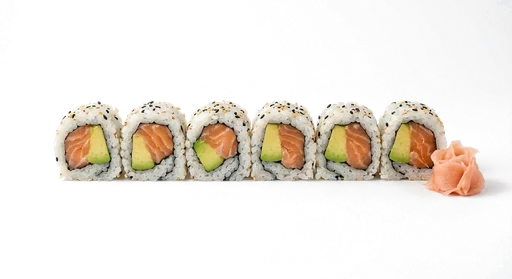
Sushi pairs vinegared rice with fish, seafood, egg or vegetables, rolled in nori or pressed by hand. Most of it is fine in pregnancy: cooked and vegetable rolls are safe, and raw fish is only a concern if it has not been frozen first.
Why it's good in pregnancy
Fish sushi delivers protein and the omega-3 fats DHA and EPA that your baby's brain and eyes are built from, with iodine from the nori. Rolls built around cooked salmon, prawns, egg or avocado give you most of that without any raw-fish question.
Key nutrients
Serving ideas
Safety
The worry with raw fish is parasites, and freezing kills them: UK and EU rules require fish served raw to have been frozen first, and supermarket sushi is made from previously frozen fish, so it is fine. In a restaurant, ask whether the fish was frozen before use; if they cannot tell you, pick cooked, grilled or vegetable rolls instead. Keep mercury in mind too — limit tuna sushi to a couple of pieces a week on top of any tinned tuna, and avoid swordfish or marlin entirely. Pre-packed sushi is a chilled, ready-to-eat food, so eat it within its date and never leave it in a warm bag.
Choose cooked or vegetable rolls, or raw fish that has been frozen first.Skip tuna-heavy rolls and any swordfish or marlin to keep mercury low.Eat shop sushi on the day you buy it and keep it chilled until then.Buy sushi from a counter or fridge that is clearly cold, check the use-by date, and eat it the same day. If you make it at home, use fish labelled sashimi-grade that has been commercially frozen, or stick to cooked fillings such as poached salmon, prawns or tamago (cooked egg). Go easy on soy sauce if you are watching salt; wasabi and pickled ginger are fine. Avoid sushi topped with raw fish roe or raw shellfish from an unknown source.