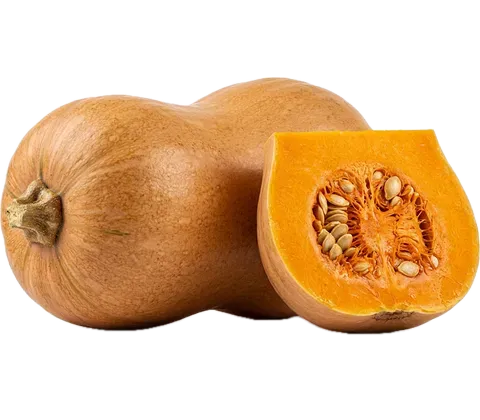
Squash is a mild, versatile vegetable rich in vitamin C, vitamin A, and fiber. Its naturally sweet flavor and soft texture when cooked make it an easy addition to soups, roasts, and purees during pregnancy.
Why it's good in pregnancy
Squash provides vitamin A to support your baby's vision and organ development, along with vitamin C for immune support and iron absorption. Its fiber content also helps support healthy digestion, which can be especially welcome during pregnancy.
Key nutrients
Vitamin CSupports immune function and helps your body absorb iron from plant foods.
FiberAids digestion and helps ease pregnancy-related constipation.
Vitamin AContributes to your baby's healthy vision, skin, and organ development.
B VitaminsSupport energy metabolism throughout pregnancy.
Serving ideas
Roast cubed squash with olive oil and herbs
Blend into a creamy soup
Mash as a side dish with a little butter
Add roasted squash to a grain bowl
Stir into a vegetable curry
Puree for a smooth baby-food-style side
Safety
Wash thoroughly before use.
Wash squash thoroughly under running water before cutting, since dirt on the skin can be transferred to the flesh by your knife. Store whole squash in a cool, dry place and refrigerate cut pieces, using them within a few days. Cook squash thoroughly by roasting, steaming, or boiling until tender before eating. Peel tougher-skinned varieties before cooking if the skin is thick or unpleasant to eat.
Common questions
Is squash safe to eat every day in pregnancy?Yes, squash is a safe and nutritious vegetable that can be enjoyed regularly as part of a varied diet.
Do I need to peel squash before cooking?It depends on the variety; thinner skins can often be left on after thorough washing, while tougher skins are best peeled.
Can I eat squash raw during pregnancy?Cooking squash is recommended, as it softens the texture and makes it easier and safer to digest.
Did you know?
Squash comes in many varieties, from butternut to acorn, each with a slightly different nutrient profile.
The vibrant orange color of many squash varieties comes from beta-carotene, which your body converts to vitamin A.
Scan any food. Know instantly.This page is one food — the Avo app has hundreds, plus a camera scanner.