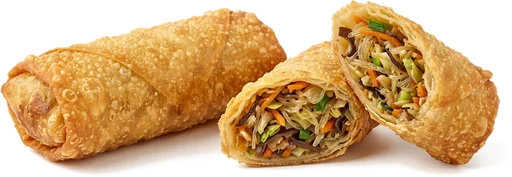
Spring Roll
Processed
Spring rolls are thin wrappers rolled around vegetables, noodles and sometimes meat or shrimp, either deep-fried until crisp or served fresh and cold in rice paper. Hot fried rolls are safe in pregnancy; cold fresh rolls need more care.
Why it's good in pregnancy
The vegetable filling brings fibre and vitamins, and a hot, freshly fried roll is a satisfying starter or snack. Choosing rolls with cooked fillings and eating them hot keeps the benefits without the food-safety worries.
Key nutrients
Serving ideas
Safety
Fresh, cold rice-paper rolls (summer rolls) are the pregnancy concern: they are assembled by hand, served chilled and often hold raw herbs, raw vegetables and pre-cooked shrimp or pork that has sat in the fridge — the pattern that allows listeria to grow. Prefer deep-fried spring rolls served piping hot, and if you eat fresh rolls, have them from a kitchen you trust, made that moment, with cooked fillings. Fried rolls are also oily and salty, so keep them as an occasional dish.
Deep-fried spring rolls served hot are safe.Be cautious with cold fresh rolls holding raw herbs or chilled cooked shrimp — listeria risk.Eat buffet or takeaway rolls only when freshly cooked and still hot.Order spring rolls fried and ask for them freshly made so they arrive hot and crisp; reheat takeaway rolls in the oven until steaming rather than eating them cold. For fresh rolls, choose ones made in front of you with cooked, hot fillings and washed vegetables, and skip ones that have been sitting in a chilled display. Go easy on sweet dipping sauces and pair rolls with a vegetable dish.