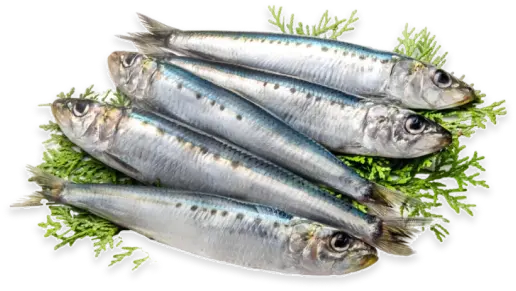
Sardines
Fish & Seafood
Sardines are a small oily fish known for being rich in omega-3 fatty acids, calcium, and protein while remaining relatively low in mercury. They can be a nutritious addition to a pregnancy diet when cooked and eaten in moderation.
Why it's good in pregnancy
Sardines are an excellent source of DHA, an omega-3 fat that supports your baby's brain and eye development. Their calcium and vitamin D content contribute to bone growth, while iron and protein support your increased blood volume and your baby's tissue development.
Key nutrients
Serving ideas
Safety
As an oily fish, sardines should be limited to about two portions a week as part of your overall seafood intake to manage exposure to environmental contaminants. Always cook sardines thoroughly and avoid any raw or smoked preparations that haven't been fully cooked. Choose canned sardines packed in a way that suits your sodium intake goals.
Great low-mercury oily fish — cook well; limit oily fish to ~2 portions/week.Choose fresh sardines that smell clean and look bright-eyed, or select canned sardines from a reputable brand. Cook fresh sardines thoroughly until the flesh is opaque throughout, and avoid smoked or raw preparations. Store fresh sardines in the refrigerator and use promptly, or keep canned sardines in a cool pantry until opened. Limit oily fish like sardines to about two servings a week to balance omega-3 benefits with contaminant exposure.