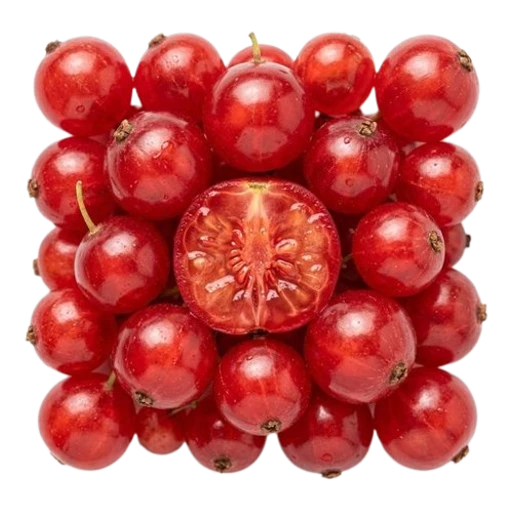
Redcurrants are small, tangy berries rich in vitamin C, vitamin A, and fiber. Their bright flavor and nutrient content make them a refreshing addition to a balanced pregnancy diet.
Why it's good in pregnancy
The vitamin C in redcurrants supports your immune system and helps improve iron absorption from other foods in your diet. Fiber aids digestion and can help manage pregnancy-related constipation, while vitamin A contributes to your baby's eye and organ development. Their low calorie, high nutrient profile makes them a smart snack choice.
Key nutrients
Vitamin CSupports immune health and helps your body absorb iron more efficiently.
Vitamin AContributes to your baby's eye and organ development.
FiberSupports regular digestion and helps ease constipation.
Serving ideas
Eat fresh as a tart snack
Add to fruit salads
Stir into plain yogurt
Cook into a sauce for desserts
Blend into smoothies
Use in baked goods
Safety
Wash thoroughly before use.
Wash redcurrants thoroughly under running water before eating to remove any dirt or residue. Store fresh redcurrants in the refrigerator and use within a few days, or freeze for longer storage. Check berries for signs of spoilage or mold before eating and discard any that look damaged. If using in jams or preserves, ensure proper cooking and sealing for safe storage.
Common questions
Are redcurrants safe to eat during pregnancy?Yes, redcurrants are a safe fruit choice when washed thoroughly before eating.
Can I eat redcurrant jam during pregnancy?Yes, properly cooked and sealed redcurrant jam is safe to enjoy in moderation.
Are redcurrants as nutritious as blackcurrants?Both are nutritious, though blackcurrants generally contain a higher concentration of vitamin C than redcurrants.
Did you know?
Redcurrants are often used in both sweet and savory dishes across European cuisines.
Their tart flavor comes from a balance of natural acids and sugars unique to currant berries.
Scan any food. Know instantly.This page is one food — the Avo app has hundreds, plus a camera scanner.