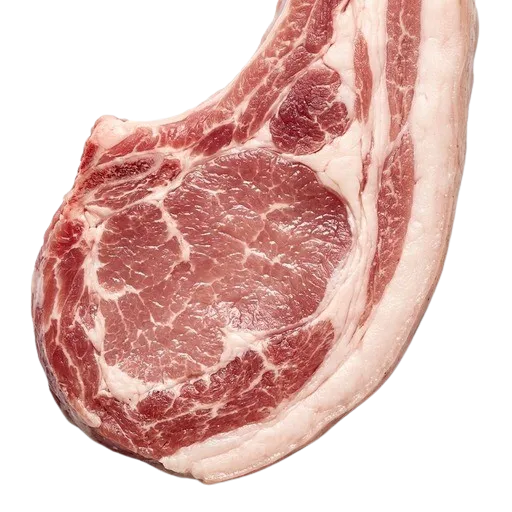
Pork
Meat
Pork is a versatile meat that provides high-quality protein along with iron, zinc, and B vitamins. When thoroughly cooked, it can be a satisfying and nourishing part of a balanced pregnancy diet. Choosing lean cuts and preparing it properly ensures you get its benefits safely.
Why it's good in pregnancy
Pork's protein supports your baby's tissue and muscle development, while its iron and zinc help meet the increased demands of pregnancy for healthy blood and immune function. The B vitamins in pork, including B12, support your baby's developing nervous system. Its healthy fats also contribute to overall energy needs during this demanding time.
Key nutrients
Serving ideas
Safety
Undercooked pork can carry harmful bacteria and parasites that pose risks during pregnancy, so it must be cooked thoroughly until no pink remains and juices run clear. Avoid cured or smoked pork products that haven't been fully cooked, such as some sausages or deli-style preparations. Always use a food thermometer if possible to confirm pork has reached a safe internal temperature. When in doubt about preparation, ask your healthcare provider for guidance.
Cook thoroughly to no pink.Store raw pork in the refrigerator and use it within a few days, or freeze for longer storage, keeping it separate from other foods to avoid cross-contamination. Wash hands, utensils, and surfaces thoroughly after handling raw pork. Cook pork thoroughly until it is no longer pink and juices run clear, using a food thermometer to check for a safe internal temperature when possible. Refrigerate leftovers promptly and reheat until steaming hot before eating again.