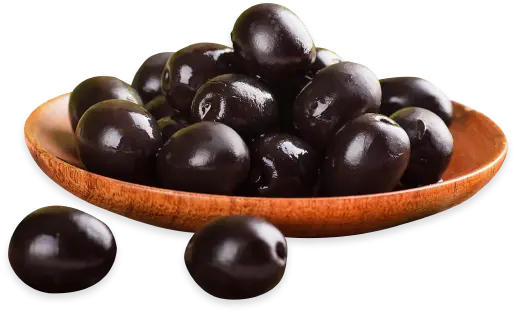
Olives
Fruit
Olives are small, flavorful fruits typically preserved in brine or oil, offering healthy fats, iron, and calcium. They're a popular addition to salads, snacks, and Mediterranean-style dishes. Enjoyed in moderation, they can be part of a balanced pregnancy diet.
Why it's good in pregnancy
Olives provide healthy fats that support your baby's development, along with iron and calcium for blood and bone health. Their vitamin A content supports cell growth, and their fiber contributes to digestive health. They can be a satisfying, flavorful snack when enjoyed in moderate amounts.
Key nutrients
Serving ideas
Safety
Olives are typically preserved in a salty brine, making them high in sodium, so it's best to enjoy them in moderate portions rather than large quantities. Excess sodium intake during pregnancy can contribute to fluid retention and elevated blood pressure. If you're managing blood pressure or swelling, discuss your sodium intake with your healthcare provider, and consider rinsing olives to reduce surface salt.
High sodium — moderate.Store olives in their brine or oil in the refrigerator after opening, keeping them submerged to maintain freshness. Check jars for intact seals before purchase and note expiration dates. Rinse olives briefly under water if you want to reduce their sodium content before eating. Use clean utensils when removing olives from the jar to prevent contamination, and enjoy them in moderate portions given their sodium content.