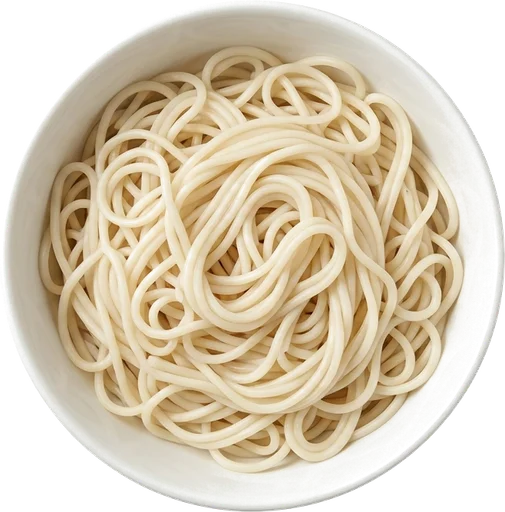
Noodles are long strands of wheat dough, boiled and served in broth, stir-fried or tossed in sauce. Plain cooked noodles are safe in every trimester and are an easy base for a filling, pregnancy-friendly meal.
Why it's good in pregnancy
Noodles give you quick, easy-to-digest carbohydrate with a little protein and B vitamins, and a bowl of noodle soup is often tolerable on days when nothing else is. Their real value is what you build on them: stir in vegetables, well-cooked chicken, tofu or a firm-cooked egg and a simple bowl becomes a balanced plate.
Key nutrients
B VitaminsWheat noodles carry thiamin and niacin, which help turn carbohydrate into usable energy.
ProteinWheat gluten gives noodles a modest protein content, around 5 g per cooked serving.
Serving ideas
Udon in a miso broth with tofu and spring onions
Stir-fried noodles with chicken, broccoli and ginger
Noodle soup with cooked prawns and pak choi
Cold sesame noodles with cucumber and shredded carrot
Chicken noodle soup on a queasy day
Safety
Safe once cooked; the toppings and broth decide the rest of the meal.Rice noodles and buckwheat soba are the swaps if you avoid wheat.
Cook noodles according to the packet and serve them hot; if you are eating from a buffet or takeaway, choose dishes that have been freshly stir-fried rather than sitting in a warming tray. Cool any leftovers within an hour, refrigerate them and reheat once until steaming. Check whether the dish comes with a soft-boiled egg or raw bean sprouts and ask for the egg cooked through and the sprouts cooked. Most noodle sauces and broths are salty, so add less soy sauce or use half a stock cube and let vegetables and herbs do the seasoning.
Common questions
Can I eat noodles during pregnancy?Yes, cooked noodles are safe throughout pregnancy; pair them with vegetables and a protein and keep an eye on salty sauces.
Are takeaway noodle dishes safe when pregnant?Freshly cooked, piping-hot stir-fries and soups are fine; ask for any egg to be cooked through, avoid raw bean sprouts and skip dishes that have been kept warm for a long time.
Which noodles are gluten-free?Rice noodles, glass noodles and 100 per cent buckwheat soba are naturally gluten-free, while udon, egg noodles and most ramen are wheat-based.
Did you know?
The oldest known noodles, found in China, are about 4,000 years old and were made from millet rather than wheat.
Udon noodles get their chewiness from being kneaded with salted water, so a bowl can be salty before any sauce is added.
Scan any food. Know instantly.This page is one food — the Avo app has hundreds, plus a camera scanner.