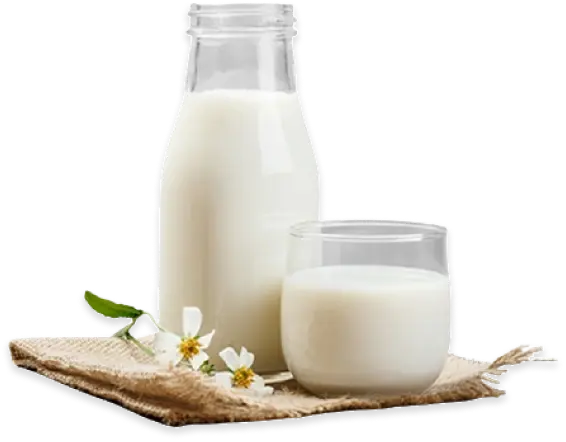
Cow's milk is a rich source of calcium, protein, and vitamin D, all important for pregnancy. It's a familiar, versatile beverage that fits easily into daily meals. Choosing pasteurised milk makes it a safe and valuable choice during pregnancy.
Why it's good in pregnancy
Calcium in milk supports your baby's developing bones and teeth while helping protect your own bone density. Its protein contributes to tissue growth, while vitamin D supports calcium absorption and immune function. Potassium and choline further support healthy blood pressure regulation and brain development.
Key nutrients
CalciumSupports your baby's developing bones and teeth and helps maintain your own bone health.
ProteinProvides building blocks for your baby's growing tissues.
CholineSupports brain development and neural tube formation.
PotassiumHelps regulate fluid balance and supports healthy blood pressure.
Vitamin DSupports calcium absorption and bone development for you and your baby.
Serving ideas
A glass with meals
Poured over cereal
Used as a base for a smoothie
Added to warm porridge
Used in cooking sauces and soups
Warmed with a touch of honey before bed
Safety
Choose pasteurized.
Choose pasteurised milk, which is standard in most retail settings, and check the label if you're ever uncertain about the source. Store milk in the refrigerator at a consistently cold temperature and use it by the date on the package. Avoid leaving milk out at room temperature for extended periods, and give it a sniff before drinking if it's near its use-by date. If buying from a farm or informal source, confirm it has been pasteurised before consuming.
Common questions
Is pasteurised milk necessary during pregnancy?Yes, pasteurised milk is recommended, as unpasteurised milk can carry harmful bacteria that pose higher risks during pregnancy.
How much milk should I drink during pregnancy?There's no strict requirement, but including milk or other calcium-rich foods as part of a balanced diet is helpful; your healthcare provider can advise on your specific needs.
Can I drink milk if I'm lactose intolerant during pregnancy?Lactose-free milk or other calcium sources like fortified plant milks can be good alternatives if regular milk causes discomfort.
Did you know?
Milk is fortified with vitamin D in many products, which helps the body absorb calcium more effectively.
Cow's milk is one of the most complete sources of calcium in a typical diet.
Scan any food. Know instantly.This page is one food — the Avo app has hundreds, plus a camera scanner.