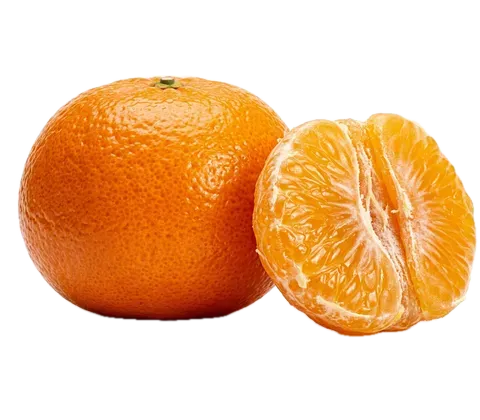
Mandarins are a sweet, easy-to-peel citrus fruit that provide vitamin C and fiber, making them a refreshing snack during pregnancy. They're a convenient way to support immune health and digestion.
Why it's good in pregnancy
Vitamin C in mandarins supports your immune system and helps improve absorption of iron from other foods, which is especially useful during pregnancy. Fiber aids digestion and can help with constipation, while the natural sweetness offers a wholesome alternative to processed snacks.
Key nutrients
Vitamin CVitamin C boosts immunity and enhances iron absorption from plant foods.
FiberFiber supports healthy digestion during pregnancy.
Vitamin AVitamin A supports healthy vision and immune function.
B VitaminsB vitamins assist with energy metabolism.
Serving ideas
Eaten fresh as a snack
Segments added to a fruit salad
Mixed into a green salad for a citrus twist
Blended into a smoothie
Used as a topping for yogurt or oatmeal
Safety
Wash thoroughly before use.
Wash mandarins thoroughly under running water before peeling, since hands can transfer surface residue to the fruit as you peel it. Store them in a cool, dry place or the refrigerator to extend freshness, and discard any with mold or soft, damaged spots. Wash your hands before and after handling the fruit for good general hygiene.
Common questions
Are mandarins safe throughout pregnancy?Yes, mandarins are safe and nutritious to eat throughout pregnancy.
Can mandarins help with nausea?Some people find the mild, sweet flavor of mandarins easier to tolerate during nausea, though this varies.
Is it fine to eat mandarins every day?Yes, in moderation as part of a varied diet, daily mandarins are generally fine.
Did you know?
Mandarins are one of the original citrus species from which many hybrid fruits, including clementines, are derived.
The fiber in the thin membranes of mandarin segments adds extra digestive benefit if you eat the whole segment.
Scan any food. Know instantly.This page is one food — the Avo app has hundreds, plus a camera scanner.