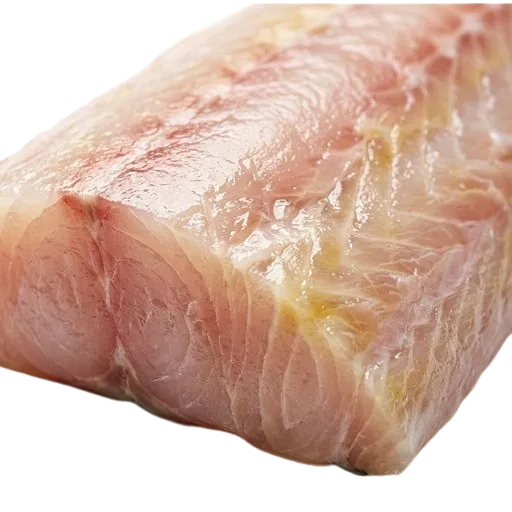
Mahi Mahi
Fish & Seafood
Mahi mahi is a firm, flavorful fish rich in DHA, protein, omega-3 fatty acids, and B vitamins. While nutritious, it falls into a moderate-mercury category, so it should be enjoyed thoughtfully during pregnancy. Proper cooking and portion awareness let you still benefit from its nutrients.
Why it's good in pregnancy
DHA and omega-3s in mahi mahi support your baby's brain and eye development, while its protein contributes to healthy tissue growth. The B vitamins in mahi mahi support energy metabolism and nervous system development. When eaten in moderation and cooked thoroughly, it can be a nutritious part of your pregnancy diet.
Key nutrients
Serving ideas
Safety
Mahi mahi has a moderate mercury content compared to low-mercury fish, so it's best to limit how often you eat it during pregnancy rather than having it as a frequent staple. Always cook it thoroughly until opaque and flaky, avoiding raw or undercooked preparations. Balancing mahi mahi with other low-mercury fish options can help you enjoy variety while managing overall mercury exposure. Your healthcare provider can help you determine an appropriate serving frequency for your situation.
Moderate-mercury — limit; cook thoroughly.Buy mahi mahi from a reputable source and keep it well chilled, using it within a day or two or freezing for later. Cook it thoroughly until it is opaque throughout and flakes easily, avoiding any raw or undercooked preparations. Because of its moderate mercury level, limit how frequently you include it in your diet and vary your seafood choices with lower-mercury options. Store and handle raw fish carefully, washing hands and surfaces after contact.