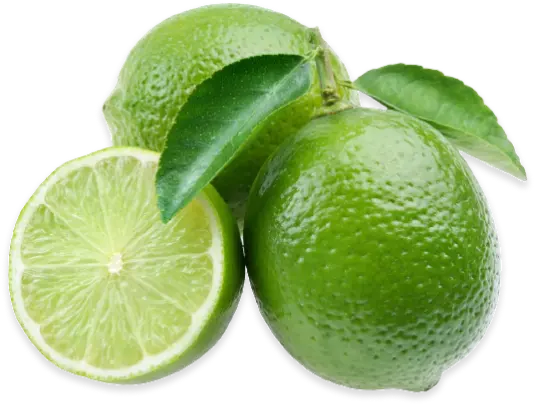
Lime is a tart citrus fruit prized for its bright flavor and vitamin C content. It's commonly used to add zest to drinks, dressings, and dishes. A little lime goes a long way in brightening meals during pregnancy.
Why it's good in pregnancy
The vitamin C in lime supports immune function and helps your body absorb iron more efficiently from other foods. Its bright acidity can also help make plain water or meals more appealing if you're dealing with taste changes during pregnancy. Adding lime to your diet is an easy way to boost vitamin C intake.
Key nutrients
Vitamin CSupports immune health and helps improve iron absorption from other foods.
Serving ideas
Fresh lime juice squeezed over cooked fish or vegetables
Lime wedges added to water
Lime zest mixed into dressings
Lime juice used in marinades for thoroughly cooked meats
Safety
Wash thoroughly before use.
Wash the outer skin of limes thoroughly before cutting, since bacteria on the peel can transfer to the flesh when sliced. Store limes at room temperature for short-term use or in the refrigerator for longer freshness, typically up to a few weeks. Use a clean cutting board and knife when preparing limes to avoid cross-contamination with other foods. Squeeze or use fresh lime juice promptly for the best flavor and quality.
Common questions
Is lime safe to eat during pregnancy?Yes, lime is a safe and refreshing source of vitamin C throughout pregnancy.
Can lime help with pregnancy nausea?Some people find the scent or taste of lime helpful for mild nausea, though this varies by individual.
Should I wash limes before cutting them?Yes, washing the skin before cutting helps prevent surface bacteria from transferring to the fruit's flesh.
Did you know?
Limes were historically carried on long sea voyages to help prevent vitamin C deficiency among sailors.
Lime zest contains aromatic oils that add flavor without the tartness of the juice.
Scan any food. Know instantly.This page is one food — the Avo app has hundreds, plus a camera scanner.