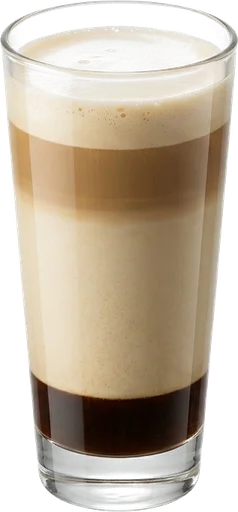
Latte
Processed
A latte is one or two shots of espresso topped up with steamed milk and a thin layer of foam; a cappuccino is the same with more foam. The milk is pasteurised and fine; the thing to count is the caffeine, about 75 mg per single shot.
Why it's good in pregnancy
The milk in a latte gives a real helping of calcium, protein and vitamin B12 — a 350 ml latte made with cow's milk carries roughly 300 mg of calcium, about a third of your daily need. Made with a single shot, it is one of the more nutritious ways to have your daily coffee.
Key nutrients
Serving ideas
Safety
A single espresso shot holds around 75 mg of caffeine, so a single-shot latte is well inside the 200 mg daily limit; the catch is that many chains make a medium or large latte with two shots, taking it to 150 mg, and a large with three leaves nothing for tea or chocolate. Caffeine crosses the placenta and your baby clears it slowly, and high intakes are linked to lower birth weight, so ask for one shot and know your chain's defaults. The steamed milk is pasteurised and safe, as are plant milks. Syrups and whipped cream add sugar fast — a flavoured large latte can hold 40 g of sugar — so keep those for an occasional treat.
A single-shot latte has about 75 mg caffeine — two a day is the sensible ceiling.Ask for a single shot; many coffee-shop lattes come with two by default.The milk is pasteurised, so that part is fine.Order a single shot — or decaf — and check how many shots your size comes with; a small is usually one shot, medium and large often two. Count the latte towards your daily 200 mg alongside tea, cola and chocolate. If you prefer plant milk, pick a fortified oat or soy milk so you keep the calcium. Skip unpasteurised milk if you see it offered at a farm café, and go easy on syrups if you are watching sugar or have gestational diabetes.