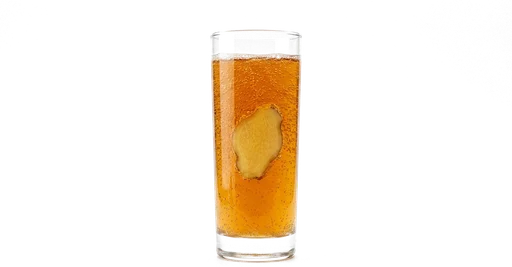
Kombucha
Processed
Kombucha is a fizzy, lightly sour drink made by fermenting sweetened tea with a culture of yeast and bacteria. Because most of it is raw and contains traces of alcohol, pregnancy guidance says to go easy or choose a pasteurised brand.
Why it's good in pregnancy
Kombucha gives a tangy, fizzy alternative to sugary soft drinks, with trace B vitamins from the fermentation and far less sugar than lemonade. A pasteurised bottle now and then is a reasonable swap if you miss something sparkling and grown-up.
Key nutrients
Serving ideas
Safety
Fermentation leaves kombucha with around 0.5% alcohol — homemade and some craft brands can go well past 1% — and there is no known safe level of alcohol in pregnancy, which is why the NHS advises caution. Most kombucha is also unpasteurised, so the live culture can include unwanted bacteria or mould, and the caffeine from its tea base (roughly 10–15 mg per 250 ml) counts towards your 200 mg daily limit. A commercially pasteurised brand with its alcohol declared under 0.5% is the lowest-risk option; homemade or 'hard' kombucha should be avoided. Go for an occasional small glass rather than a daily bottle.
Most kombucha is unpasteurised and holds up to 0.5% alcohol — keep it occasional.Choose a pasteurised, shop-bought brand if you want it; skip homemade.It is made from tea, so count its caffeine (around 10–15 mg a glass).Read the label for 'pasteurised' and for the alcohol content, which must be stated if it is over 0.5%; an unlabelled homebrew is impossible to judge. Keep bottles refrigerated and drink them before the date, because kombucha keeps fermenting — and making alcohol — in a warm cupboard. Open it over the sink, as pressure builds in the bottle. If you brew your own, pause the SCOBY until after the birth; mould contamination is the biggest home-brewing problem.