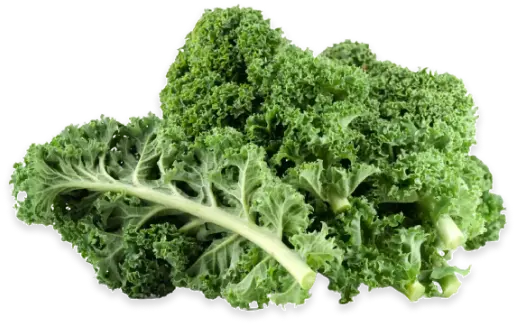
Kale is a hearty, dark leafy green packed with folate, iron, calcium, vitamin C, and magnesium, making it one of the more nutrient-dense vegetables available. Its robust texture holds up well to a variety of cooking methods.
Why it's good in pregnancy
Folate in kale supports your baby's neural tube development, particularly crucial in early pregnancy, while iron helps meet your increased needs for red blood cell production. Calcium and magnesium support bone health and muscle function, and vitamin C helps your body absorb the iron more effectively.
Key nutrients
FolateSupports your baby's neural tube development, especially important in early pregnancy.
IronHelps support increased blood volume and oxygen delivery.
CalciumSupports your baby's bone and teeth development.
Vitamin CEnhances iron absorption and supports immune function.
MagnesiumSupports muscle and nerve function and may help ease cramping.
Serving ideas
Sauté with garlic and a splash of olive oil
Add to soups and stews
Blend into a smoothie
Massage with dressing for a raw salad
Bake into crispy kale chips
Stir into pasta dishes
Safety
Wash thoroughly before use.
Wash kale leaves thoroughly under running water, separating and rinsing each leaf to remove dirt trapped in the curly texture. Store it in the refrigerator, ideally in a breathable bag, and use within about a week for best quality and nutrient content. Remove the tough central stem before cooking or eating raw, as it can be fibrous. Cook kale thoroughly if you prefer it softer, or use young, tender leaves for salads after a thorough wash.
Common questions
Is kale safe to eat raw during pregnancy?Yes, as long as it's washed thoroughly; many people prefer it lightly cooked or massaged with dressing to soften the texture.
How often should I eat kale during pregnancy?A few servings a week fits well into a balanced diet, offering folate, iron, and calcium alongside other vegetables.
Does kale help meet folate needs during pregnancy?Yes, it's a good plant-based folate source, though it should complement rather than replace a prenatal vitamin containing folic acid.
Did you know?
Kale is part of the same plant family as broccoli and cabbage, known as cruciferous vegetables.
Its dark green color reflects a particularly high concentration of vitamins and antioxidant plant compounds.
Scan any food. Know instantly.This page is one food — the Avo app has hundreds, plus a camera scanner.