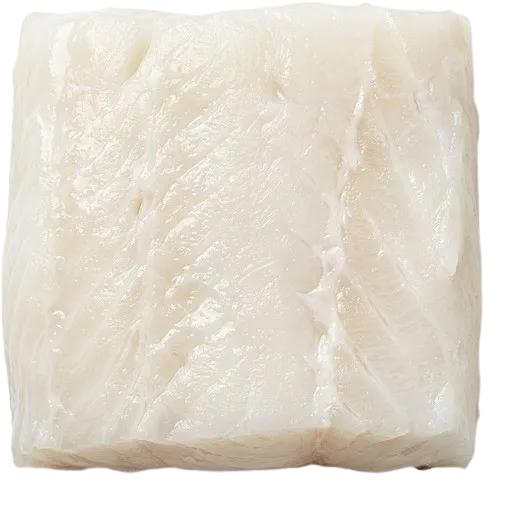
Halibut
Fish & Seafood
Halibut is a firm, mild white fish rich in DHA, protein, omega-3 fatty acids, and B vitamins. It's a nutritious seafood choice during pregnancy, but because it carries moderate mercury levels, it should be enjoyed in limited amounts. Cooked thoroughly, it can be a valuable part of a balanced pregnancy diet.
Why it's good in pregnancy
Halibut is a good source of DHA and omega-3 fatty acids, which support your baby's brain and eye development, particularly important in the second and third trimesters. Its protein content supports your baby's overall growth, while B vitamins help with energy metabolism. Enjoyed in the recommended amount, halibut can be a valuable addition to a pregnancy diet.
Key nutrients
Serving ideas
Safety
Halibut contains a moderate level of mercury, which can accumulate in the body and potentially affect a developing baby's nervous system in large amounts. To stay within safe limits, it's best to limit halibut to about one serving per week and avoid combining it with other higher-mercury fish in the same week. Always cook it thoroughly until it flakes easily, and avoid raw or undercooked preparations.
Moderate-mercury — limit to ~1 portion/week; cook thoroughly.Cook halibut thoroughly until it reaches a firm, opaque texture and flakes easily with a fork, avoiding any raw or undercooked preparations like sushi or ceviche. Limit halibut to about one serving per week due to its moderate mercury content, and vary your fish choices across the week. Store fresh halibut in the refrigerator and cook within a day or two of purchase, or freeze for longer storage. When buying, choose fish that smells fresh and mild, not fishy or ammonia-like, and looks moist rather than dried out.