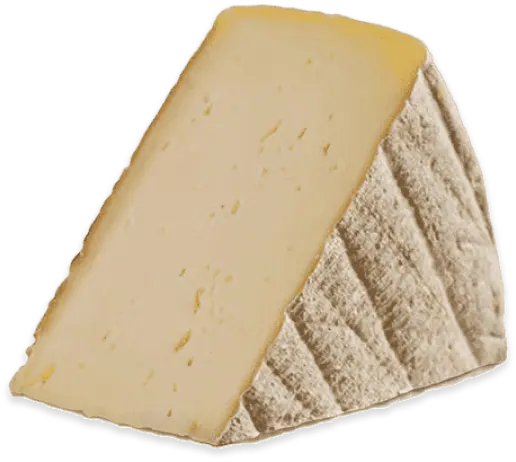
Goat cheese comes in many forms, from soft and mould-ripened to firm and aged, made from goat's milk. Soft or mould-ripened varieties carry a higher risk of harmful bacteria unless properly cooked or made from pasteurized milk. Understanding which forms to avoid helps you enjoy goat cheese more safely during pregnancy.
Key nutrients
CalciumSupports bone development, though this cheese should be eaten only in its safer forms during pregnancy.
ProteinProvides building blocks for tissue growth when consumed in a safe, cooked form.
ZincSupports immune function and cell division.
Healthy FatsProvide concentrated energy.
Vitamin ASupports healthy vision and immune development.
Serving ideas
Bake soft goat cheese into a hot tart or gratin until steaming
Melt firm, pasteurized goat cheese into a cooked sauce
Crumble a small amount of hard, aged goat cheese onto a fully cooked dish
Safety
Soft or mould-ripened goat cheeses, often identifiable by a white rind, can harbor harmful bacteria that pose a higher risk during pregnancy, potentially leading to serious infection. These varieties should be avoided unless they are cooked until steaming hot all the way through, such as in a baked dish. Firm, hard goat cheeses made from pasteurized milk are generally considered a safer choice. When in doubt about a specific product, check the label for pasteurization or ask your healthcare provider.
Soft/mould-ripened goat cheese — avoid unless cooked until steaming hot.
Check labels carefully to distinguish between soft, mould-ripened goat cheeses and firm, aged varieties, as they carry different risk levels during pregnancy. Store any goat cheese in the refrigerator and use within the recommended timeframe on the packaging. If you want to include a soft goat cheese in a recipe, cook it until it is steaming hot throughout, such as baked into a tart or melted into a hot dish. Always wash hands and utensils after handling raw cheese rinds.
Common questions
Can I eat goat cheese while pregnant?Soft or mould-ripened goat cheese should generally be avoided unless cooked until steaming hot; firm, pasteurized varieties are usually a safer option.
Why is soft goat cheese risky during pregnancy?Soft, mould-ripened cheeses can harbor harmful bacteria that pose a higher infection risk during pregnancy.
Is all goat cheese unsafe during pregnancy?No, firm and hard goat cheeses made from pasteurized milk are generally considered a safer choice than soft, mould-ripened types.
Did you know?
The white rind on soft goat cheese is a type of edible mould that gives it its distinctive flavor and texture.
Goat's milk cheese often has a tangier flavor than cow's milk cheese due to differences in fat composition.
Scan any food. Know instantly.This page is one food — the Avo app has hundreds, plus a camera scanner.