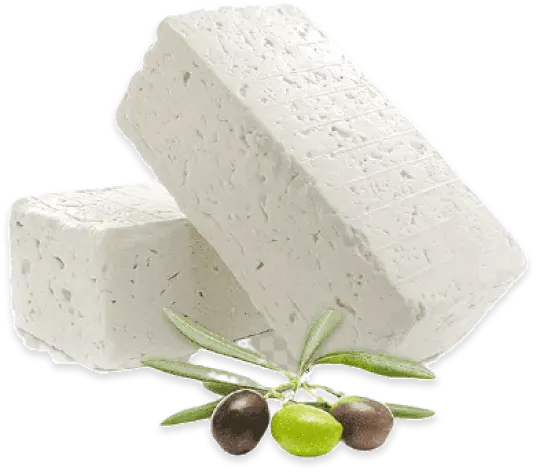
Feta Cheese
Dairy
Feta is a tangy, crumbly cheese traditionally made from sheep's or goat's milk. It offers calcium, protein, and healthy fats, but its safety during pregnancy depends on whether it's made from pasteurised milk. Checking the label is an important step before enjoying it.
Why it's good in pregnancy
When made from pasteurised milk, feta's calcium content supports your baby's developing bones and teeth, while protein contributes to tissue growth. Zinc supports immune function, and healthy fats and vitamin A add further nutritional value. It can be a flavorful way to add variety to meals when chosen and prepared safely.
Key nutrients
Serving ideas
Safety
Feta made from unpasteurised milk carries a risk of listeria, which can be more serious during pregnancy, so it's important to choose pasteurised feta or cook it thoroughly until steaming hot if you're unsure. Check the packaging label for confirmation that pasteurised milk was used before eating it cold, such as in a salad. If dining out or unsure of the source, it's safer to opt for a cooked dish where the feta reaches a high temperature.
Choose pasteurized; safe if pasteurized. Cook if unsure.Always check that feta is labeled as made from pasteurised milk before eating it cold, and if the label is unclear or it's from an unpasteurised source, cook it until steaming hot instead. Store feta in the refrigerator, ideally in its brine, and use within the recommended timeframe after opening. Keep it away from ready-to-eat foods that won't be cooked, to avoid cross-contamination. When dining out, ask about the source of feta used in salads or dishes if you're uncertain.