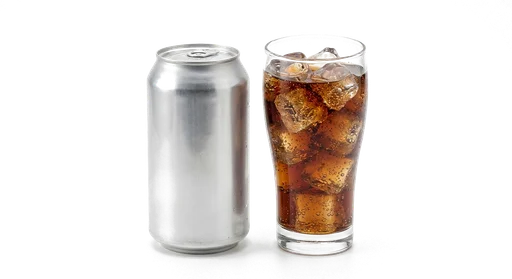
Diet Soda
Processed
Diet or zero-sugar soft drinks replace sugar with sweeteners such as aspartame, acesulfame K or sucralose. They are fine in moderation during pregnancy — the sweeteners are approved and well studied — and diet colas still carry caffeine to count.
Why it's good in pregnancy
A diet drink gives you fizz and sweetness without the 35 g of sugar in a regular cola, which can be helpful if you have gestational diabetes or are watching weight gain. One can now and then is a reasonable compromise.
Serving ideas
Safety
The sweeteners in diet drinks — aspartame, acesulfame K, sucralose, stevia — have all been assessed as safe in pregnancy at normal intakes by UK, EU and US regulators, with the one exception that aspartame must be avoided if you have phenylketonuria (PKU). Some observational studies have linked daily diet-drink consumption in pregnancy with higher birth weight and preterm birth, but they cannot show cause, so the sensible middle ground is moderation rather than avoidance. Diet cola still contains caffeine, around 35–45 mg a can, which counts towards the 200 mg daily limit; caffeine-free versions are the lighter option. The acid in any fizzy drink wears tooth enamel, and the bubbles can make heartburn and bloating worse.
Approved sweeteners are considered safe in moderation in pregnancy.Diet cola still has about 35–45 mg caffeine a can; count it towards 200 mg.One or two cans a day at most; water is the better default.Check the label for caffeine — diet lemonades and most flavoured sparkling drinks are caffeine-free, diet colas are not — and keep to one or two cans a day at most. If you have PKU, avoid anything containing aspartame, which the label must flag with 'contains a source of phenylalanine'. Drink it with food rather than sipping all day, which limits acid contact with your teeth. Sparkling water with fruit is the everyday swap that needs no counting.