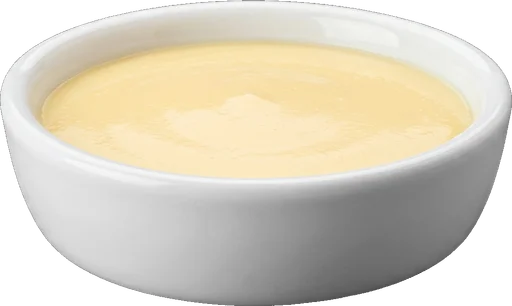
Custard
Dairy
Custard is a sweet sauce of milk, sugar and either egg yolks or cornflour, poured over puddings or set into tarts and desserts. Shop-bought custard is safe; homemade egg custard is fine once it has been properly cooked.
Why it's good in pregnancy
A bowl of custard is mostly milk, so it brings calcium and a little protein alongside the comfort, and it is one of the easiest things to eat when nausea or a sore mouth make solids hard work. Warm custard over stewed fruit is a gentle, filling dessert for the later months.
Key nutrients
Serving ideas
Safety
The concern is raw or lightly cooked egg yolk, which can carry salmonella. Traditional crème anglaise, soft-set baked custards and chilled egg custard tarts from a bakery or restaurant are often cooked only until they thicken, which may not be hot enough. Homemade custard is safe when the mixture reaches 71 °C (160 °F), thick enough to coat the back of a spoon and hold a line drawn through it, or when it is made with pasteurised liquid egg or, in the UK, Lion-marked eggs. Supermarket pots and cartons, tinned custard and powdered custard made with hot milk contain pasteurised ingredients or no egg at all and need no second thought.
Shop-bought, tinned or powdered custard is pasteurised and safe.Homemade egg custard needs cooking to 71 °C (160 °F), or pasteurised eggs.Lightly set egg custards and crème anglaise are the ones to ask about.Buy ready-made custard in cartons, tins or pots, or make it from custard powder, when you want zero fuss; all are made with pasteurised milk and either no egg or pasteurised egg. For homemade egg custard, cook it gently to 71 °C (160 °F) on a thermometer, or until it clearly coats the back of a spoon, and never let it boil or it will split. Chill leftovers within two hours, cover them and use within two days. In cafés and restaurants, ask whether set custards, tarts and crème anglaise are made with pasteurised egg, and choose a hot pudding with poured custard if they are unsure.