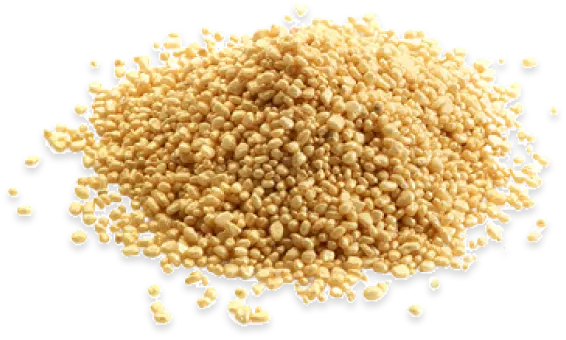
Couscous is a small, steamed pasta made from semolina wheat, offering protein, fiber, and B vitamins. It's a quick-cooking grain alternative that fits easily into pregnancy meals.
Why it's good in pregnancy
Protein from couscous supports your baby's tissue development, while B vitamins help with energy metabolism during pregnancy. Its fiber content also contributes to healthy digestion.
Key nutrients
ProteinProvides building blocks that support your baby's growing tissues.
FiberHelps support regular digestion.
B VitaminsSupport energy metabolism during pregnancy.
Serving ideas
Tossed with roasted vegetables and olive oil
Mixed with cooked chickpeas for extra protein
Served as a base under grilled chicken or fish
Combined with dried fruit and nuts for a salad
Stirred into a warm vegetable stew
Seasoned with herbs as a simple side dish
Safety
Cook couscous according to package instructions, typically by pouring hot liquid over it and letting it steam until tender, ensuring it's fully hydrated before eating. Store dry couscous in a sealed container in a cool pantry, and refrigerate cooked leftovers in a covered container, using them within a few days. Reheat leftovers thoroughly before eating. Fluff with a fork after cooking to prevent clumping and ensure even texture.
Common questions
Is couscous safe to eat during pregnancy?Yes, thoroughly cooked couscous is a safe and easy grain option during pregnancy.
Is couscous a good source of protein during pregnancy?It offers a moderate amount of protein, which can be boosted further by pairing it with beans or lean meats.
Can I eat couscous if I have a wheat allergy?No, couscous is made from wheat, so it should be avoided if you have a wheat allergy or sensitivity.
Did you know?
Couscous is technically a type of pasta, made from tiny steamed granules of semolina wheat.
It cooks much faster than most grains, often ready in just a few minutes.
Scan any food. Know instantly.This page is one food — the Avo app has hundreds, plus a camera scanner.