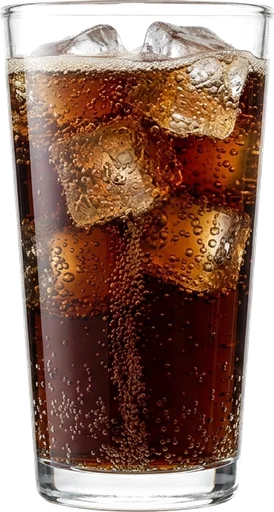
Cola
Processed
Cola is a sweet, caffeinated fizzy drink flavoured with caramel and spices. It is not off-limits in pregnancy, but a can brings around 35 mg of caffeine and nine teaspoons of sugar, so it is an occasional drink rather than a daily one.
Why it's good in pregnancy
A small, cold cola is a familiar fix for a flat moment or a wave of nausea for some people, and its caffeine is low enough that one can fits easily within the daily limit. The honest benefit is comfort rather than nutrition.
Serving ideas
Safety
Caffeine in cola — roughly 35 mg per 330 ml can, up to 45 mg in some brands — crosses the placenta and counts towards the 200 mg daily limit alongside coffee, tea and chocolate. The bigger issue is sugar: a can carries about 35 g, more than the daily added-sugar guideline, which matters for weight gain and especially if you have or are at risk of gestational diabetes. Regular sugary drinks in pregnancy are also linked to higher rates of childhood obesity. Cola can worsen heartburn and bloating, and its phosphoric acid is hard on tooth enamel that pregnancy sickness may already have softened. One can now and then is fine; a daily habit is worth swapping.
A 330 ml can of cola has about 35 mg caffeine and 35 g of sugar.An occasional can is fine; count it towards the 200 mg caffeine limit.Water, milk or sparkling water with fruit are better everyday drinks.If you want a cola, choose a small can rather than a large bottle and drink it with food to soften the sugar spike. Rinse your mouth with water afterwards rather than brushing straight away, as the acid softens enamel. Caffeine-free colas remove the caffeine but not the sugar; diet versions remove the sugar but keep the caffeine. Sparkling water with a squeeze of lime scratches most of the same itch with none of the numbers.