Canned Tuna
Fish & Seafood
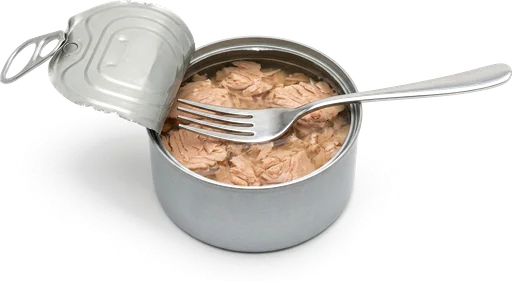
Tinned tuna is cooked tuna packed in spring water, brine or oil — a cupboard staple for sandwiches, pasta and jacket potatoes. It is safe and nutritious in pregnancy within a limit: up to four 140 g tins a week because of its moderate mercury.
Why it's good in pregnancy
A tin of tuna delivers around 25 g of lean protein, a useful dose of omega-3 DHA, vitamin D, B12 and selenium, for very little effort or cost. It is one of the easiest ways to get fish into the week, which most people in pregnancy do not manage enough of.
Key nutrients
Serving ideas
Safety
Tuna sits in the middle of the mercury range — lower than swordfish, higher than salmon or cod — so the NHS caps it at four medium tins (about 140 g drained each) or two fresh steaks a week, and the FDA advises two to three servings of light tuna or one of albacore. Skipjack, the usual 'light' tinned tuna, carries around a third of the mercury of albacore ('white') tuna, so it is the better everyday choice. Because tinned tuna is cooked and sealed it carries no listeria risk, but it does not count as oily fish for the two-portion guideline — canning strips out much of the omega-3 oil. Tuna in olive oil keeps a little more; brine versions are high in salt.
Up to four small tins (140 g drained each) a week, or two fresh steaks.Tinned tuna is cooked and sealed, so there is no listeria concern.Skipjack or 'light' tuna has about a third of the mercury of albacore.Count tins across the week — tuna pasta on Monday and a tuna sandwich on Thursday is two of your four — and look for 'light' or 'skipjack' on the label for lower mercury. Choose tuna in spring water or olive oil over brine to keep salt down. Once a tin is open, move leftovers to a covered container in the fridge and use within two days. Tuna mayo made with shop-bought mayonnaise is fine, as it uses pasteurised egg; homemade mayo needs Lion-mark or pasteurised eggs.