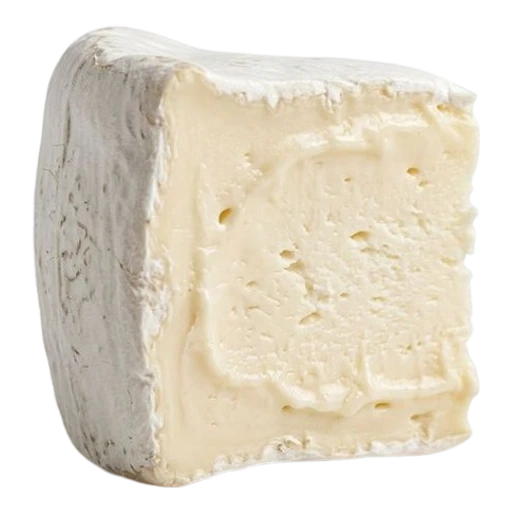
Brie is a soft, mould-ripened cheese known for its creamy texture and mild, buttery flavor. While nutrient-rich in calcium and protein, its soft-ripened style carries specific pregnancy safety considerations.
Key nutrients
CalciumSupports bone development, though this cheese is best enjoyed only when fully cooked during pregnancy.
ProteinContributes to tissue growth when consumed in a fully cooked form.
ZincSupports immune function when the cheese is safely prepared.
Healthy FatsProvides energy when included in thoroughly cooked dishes.
Vitamin ASupports vision and organ development when eaten in a safely cooked form.
Serving ideas
Bake brie until steaming hot throughout
Melt into a hot, fully cooked sauce
Use in a baked pastry dish until piping hot
Safety
Soft mould-ripened cheeses like brie are generally best avoided during pregnancy unless cooked until steaming hot throughout, as they can support the growth of Listeria, a bacteria that poses serious risks in pregnancy. This risk applies even to pasteurized versions, because the surface-ripening process can still allow bacterial growth. If you want to enjoy brie, use it as an ingredient in a dish that is baked or cooked until piping hot all the way through, rather than eating it cold or at room temperature.
Soft mould-ripened cheese — avoid unless thoroughly cooked until steaming hot (listeria risk).
Avoid eating brie cold or at room temperature during pregnancy due to listeria risk from its soft, mould-ripened rind. If you choose to include it, bake brie until it is steaming hot all the way through, such as in a warm baked brie appetizer, and ensure the center reaches a high enough temperature to eliminate bacteria. Store any brie in the refrigerator and check for freshness before use. When dining out, ask how brie-containing dishes are prepared to confirm they are fully cooked.
Common questions
Why is brie not recommended during pregnancy?Its soft, mould-ripened texture can support the growth of Listeria, a bacteria that poses higher risks during pregnancy, even in pasteurized versions.
Can I eat baked brie during pregnancy?Baked brie that is heated until steaming hot throughout is generally considered safer than cold or room-temperature brie.
Is all brie unsafe, even pasteurized brands?The concern is less about pasteurization and more about the soft-ripened rind, which is why cooking it thoroughly is recommended rather than eating it cold.
Did you know?
Brie's characteristic white rind is actually an edible mould that helps ripen the cheese from the outside in.
The listeria concern with soft cheeses relates to their moisture content and ripening process rather than pasteurization alone.
Scan any food. Know instantly.This page is one food — the Avo app has hundreds, plus a camera scanner.