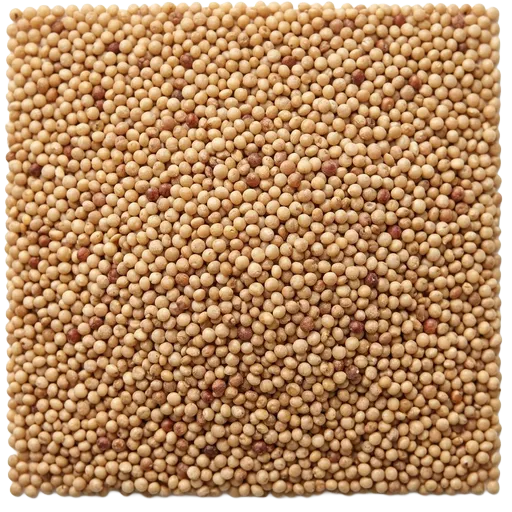
Amaranth is a nutrient-dense ancient grain with a slightly nutty, earthy flavor, offering iron, calcium, protein, fiber, and zinc. It's naturally gluten-free and cooks into a hearty porridge or side dish. Amaranth is a wonderful way to add whole-grain nutrition to a pregnancy diet.
Why it's good in pregnancy
Amaranth's iron content supports the significant increase in blood volume during pregnancy, helping prevent fatigue and anemia. Its calcium and protein contribute to your baby's developing bones and tissues, while fiber supports healthy digestion. The zinc in amaranth also plays a role in immune function and cell growth throughout pregnancy.
Key nutrients
IronHelps support the increased blood volume of pregnancy and reduces the risk of anemia.
CalciumSupports your baby's developing bones and teeth.
ProteinProvides building blocks for your baby's growing tissues.
FiberSupports healthy digestion and helps prevent constipation.
ZincSupports immune function and cell division during fetal growth.
Serving ideas
Warm amaranth porridge with fruit and milk
Amaranth added to soups as a thickener
Amaranth mixed into veggie burgers
Popped amaranth as a crunchy topping
Amaranth salad with cooked vegetables
Safety
Store dry amaranth in an airtight container in a cool, dry place, where it will keep well for several months. Rinse it before cooking, then simmer in water or broth until it becomes soft and slightly sticky. Cooked amaranth should be cooled and refrigerated promptly, and leftovers are best eaten within a few days. Cooking it thoroughly makes its nutrients more digestible and its texture more pleasant.
Common questions
Is amaranth safe to eat during pregnancy?Yes, amaranth is a nutritious, gluten-free grain that's safe to enjoy throughout pregnancy.
Is amaranth a complete protein?Amaranth contains a good range of amino acids, making it a valuable plant-based protein source.
How can I use amaranth in my pregnancy diet?It works well as a hot cereal, in soups, or mixed into baked goods for added nutrition.
Did you know?
Amaranth was a staple crop for ancient civilizations in Central and South America.
It's technically a pseudocereal, meaning it's not a true grain but is used similarly in cooking.
Amaranth leaves are also edible and nutritious, in addition to its seeds.
Scan any food. Know instantly.This page is one food — the Avo app has hundreds, plus a camera scanner.