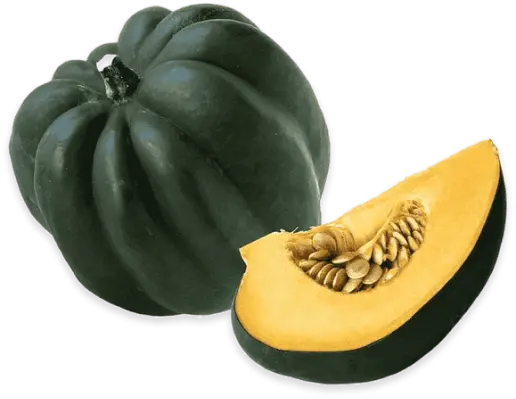
Acorn squash is a sweet, hearty winter vegetable rich in vitamin C, potassium, fiber, and vitamin A. Its naturally sweet flavor and satisfying texture make it a comforting addition to pregnancy meals, especially in cooler months.
Why it's good in pregnancy
The vitamin C in acorn squash supports your immune system and helps your body absorb iron more efficiently, while potassium helps regulate fluid balance and blood pressure. Fiber supports healthy digestion, and vitamin A from this plant source contributes safely to your baby's development.
Key nutrients
Vitamin CSupports immune function and enhances iron absorption from other foods.
PotassiumHelps maintain healthy fluid balance and blood pressure.
FiberSupports digestion and helps ease pregnancy-related constipation.
Vitamin AContributes to your baby's vision and tissue development from a safe, plant-based source.
Serving ideas
Roast halves with a drizzle of olive oil
Cube and add to soups or stews
Mash as a side dish with a pinch of cinnamon
Stuff roasted halves with grains and vegetables
Puree into a creamy soup
Add roasted cubes to grain bowls
Safety
Wash thoroughly before use.
Wash the outer skin of acorn squash thoroughly before cutting, since dirt on the surface can be transferred to the flesh by your knife. Store whole squash in a cool, dry place where it will keep for several weeks, and refrigerate cut portions in a sealed container for up to a few days. Cook squash thoroughly until soft to make it easier to digest and to bring out its natural sweetness. Use caution when cutting the tough skin, as a sharp knife on a curved surface can slip.
Common questions
Is acorn squash easy to digest during pregnancy?Yes, when cooked until soft, it's gentle on digestion and a comforting choice, especially if raw vegetables feel harder to tolerate.
Can I eat the skin of acorn squash?The skin becomes soft enough to eat after roasting for many people, and washing it well beforehand makes it safe, though some prefer to remove it.
Is acorn squash a good vitamin C source in pregnancy?Yes, it provides a meaningful amount of vitamin C, helping support immunity and iron absorption alongside other foods.
Did you know?
Acorn squash is named for its acorn-like shape and ridged, dark green skin.
Its orange flesh signals a good supply of beta-carotene, which your body converts to vitamin A as needed.
Scan any food. Know instantly.This page is one food — the Avo app has hundreds, plus a camera scanner.