Single-Veggie Wins
Why starting with broccoli, peas, or carrot could be the smartest move you make
Most parents instinctively reach for fruit first — it's sweet, babies seem to love it, and it feels kind. But research suggests that starting with vegetables might actually be one of the best things you can do for your baby's long-term relationship with food. Here's why, and which vegetables are worth trying first.
Why vegetables first?
Babies are born with a preference for sweet flavours, which makes sense given that breast milk is slightly sweet. Starting weaning with fruit or sweeter foods can reinforce this preference before a taste for savoury has had a chance to develop. Research published in nutritional journals suggests that introducing vegetables early — and repeatedly — increases the likelihood that children will accept them long-term. It doesn't have to be all vegetables all the time, but leading with them in the first few weeks of weaning sets a positive foundation.
The best first vegetables
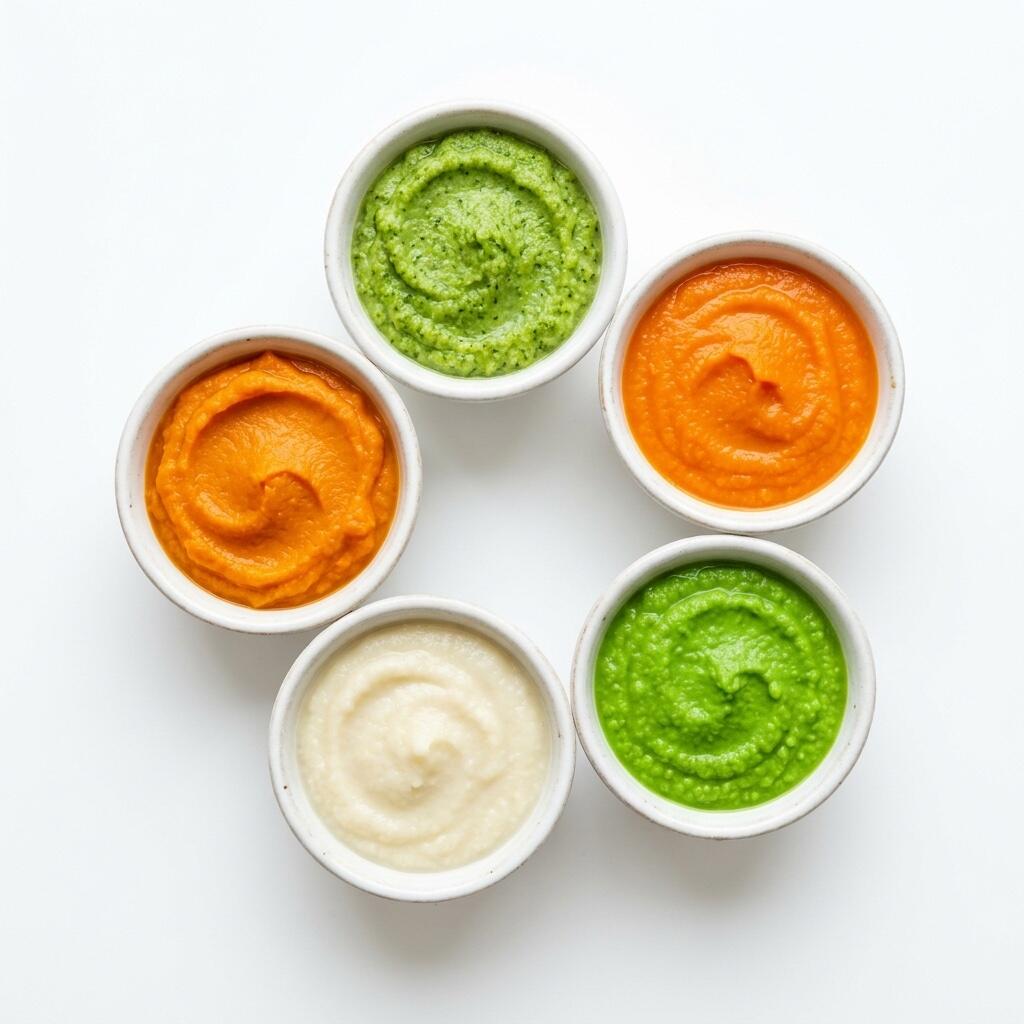
Sweet potato is a popular first choice because its natural sweetness makes it more acceptable to babies starting out — it's a gentle bridge between sweet and savoury. Carrot is similarly sweet, easy to steam and blend, and packed with beta-carotene. Peas puree into a beautiful green colour and provide plant-based protein and iron. Broccoli is more bitter but worth trying early precisely because of that — early exposure to bitter flavours helps broaden a baby's palate. Butternut squash rounds out the list as a creamy, mild, nutrient-rich option.
How to make a simple single-veggie puree
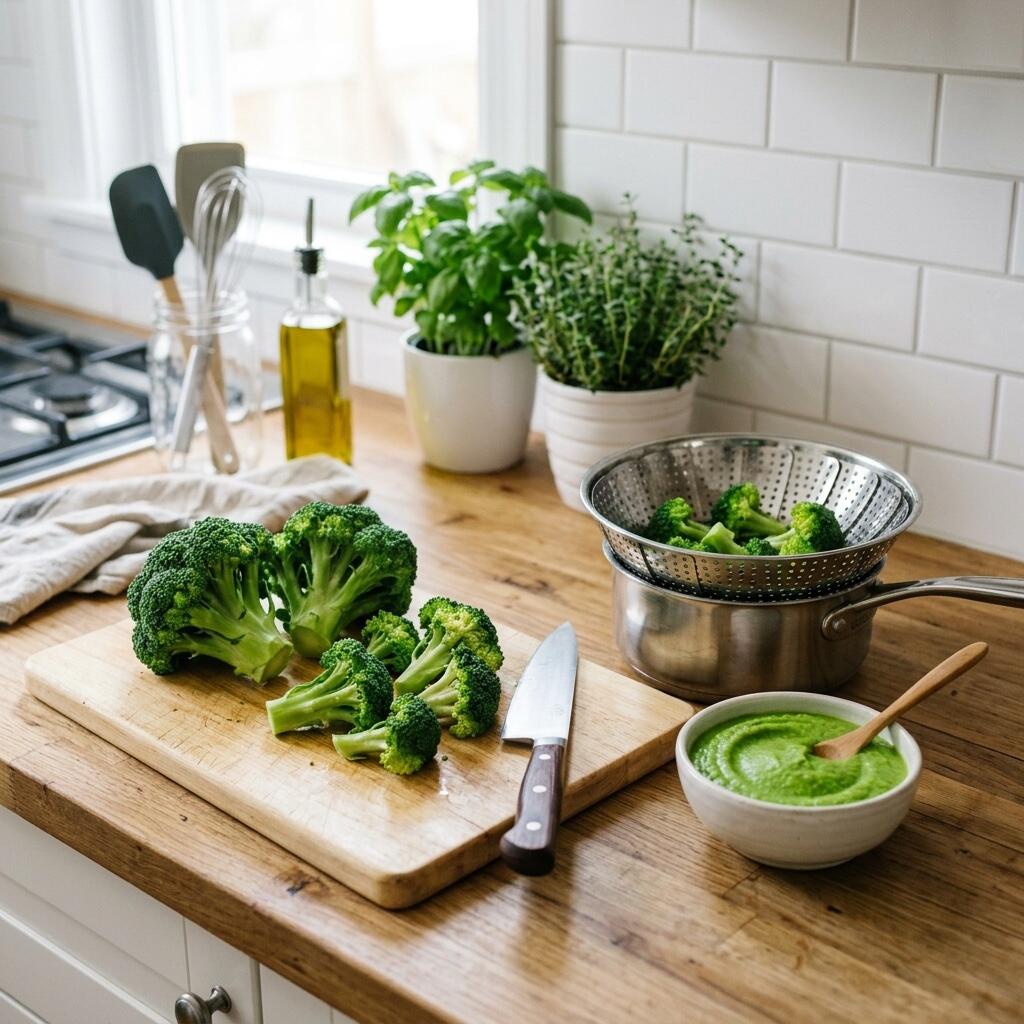
Wash and peel your vegetable, cut it into small even pieces, and steam for 8–12 minutes until completely soft — you should be able to press it easily between two fingers. Transfer to a blender with a splash of the steaming water, cooled boiled water, or your baby's usual milk, and blend until completely smooth with no lumps. Pour into ice cube trays and freeze, or refrigerate and use within 48 hours. For carrot and sweet potato, roasting in the oven instead of steaming brings out a deeper flavour your baby may enjoy.
What to do if baby says no
A turned head or screwed-up face is not a final verdict. Research shows it can take 10 or more exposures to a new food before a baby will accept it — so one refusal means try again tomorrow, not give up forever. Keep portions small and the atmosphere relaxed, eat the same food yourself if possible, and avoid reacting too dramatically to rejections (this can actually reinforce the refusal behaviour). Mixing a tiny amount of a refused vegetable into a puree your baby already likes is a helpful strategy for gradual acceptance.
Beyond the first five
Once your baby has accepted a few single-veggie purees, you can start combining them — carrot and parsnip, sweet potato and pea, broccoli and potato. You can also start introducing courgette, spinach, cauliflower, and green beans. The goal in the first few months is variety, because a wider range of vegetables early on is associated with better food acceptance into toddlerhood and beyond.
Belangrijkste punten
Wetenschappelijke bronnen
De adviezen in deze gids zijn gebaseerd op deze bronnen.